Chir-ghat (Kokilavana)
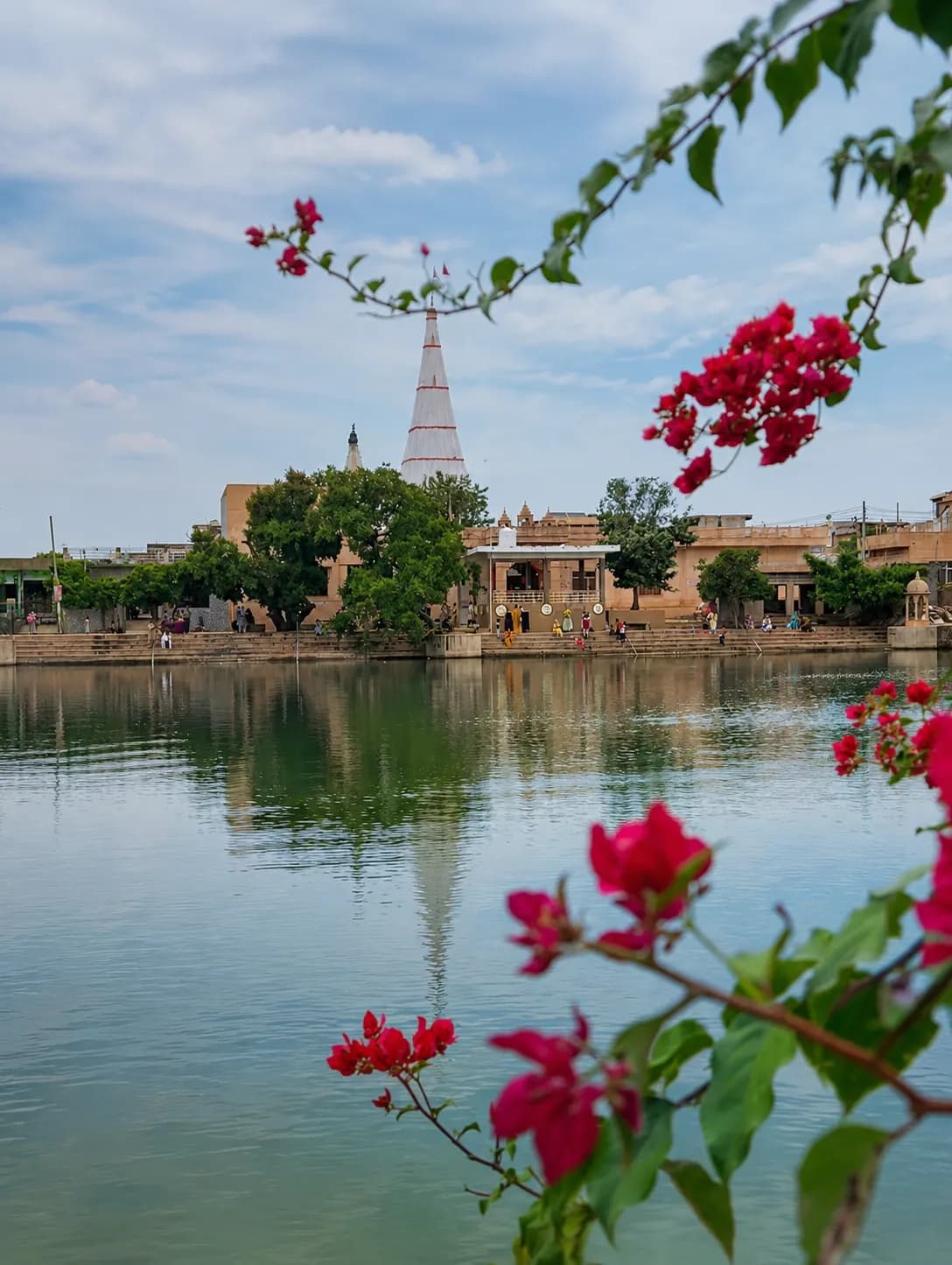
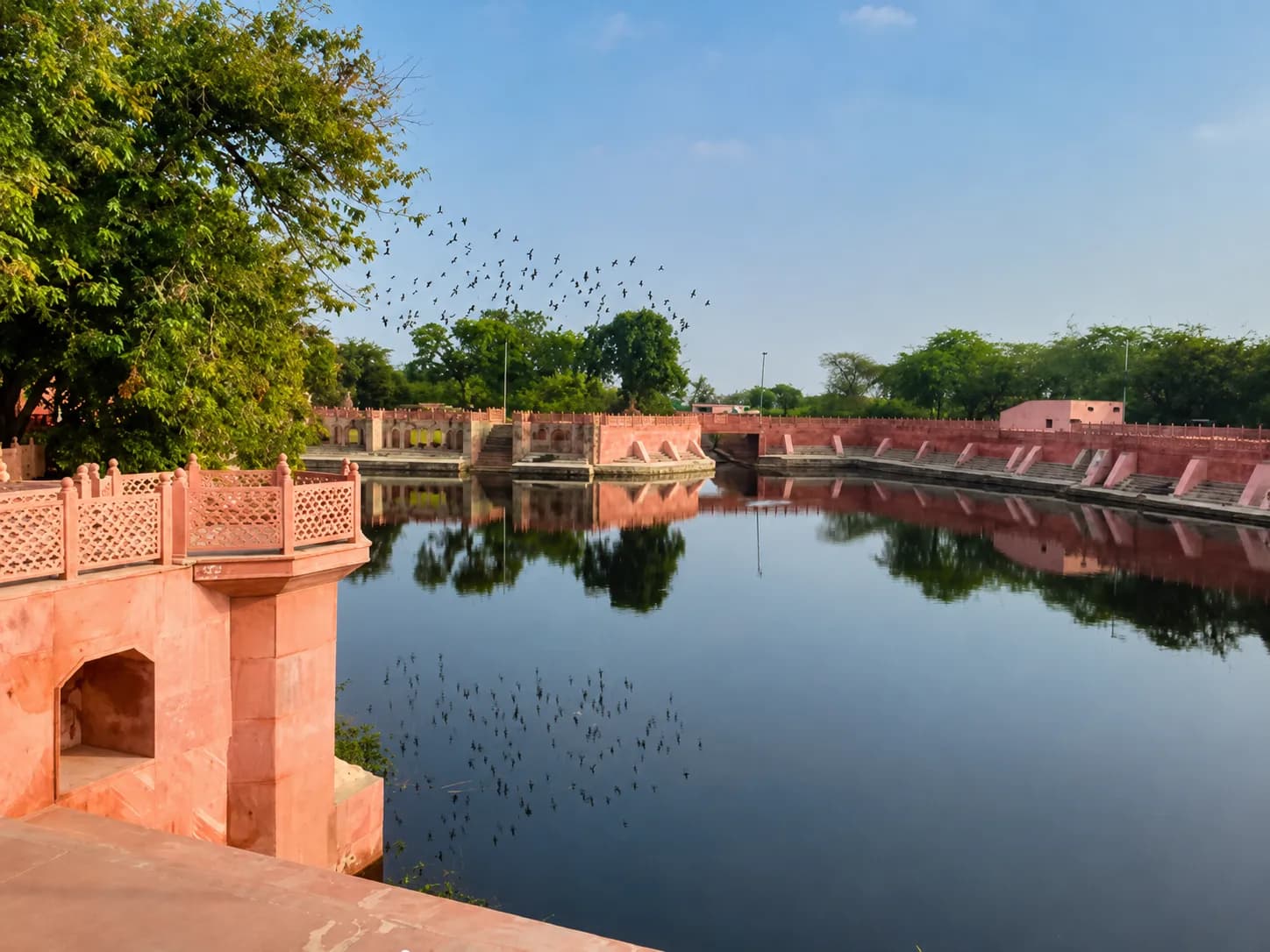
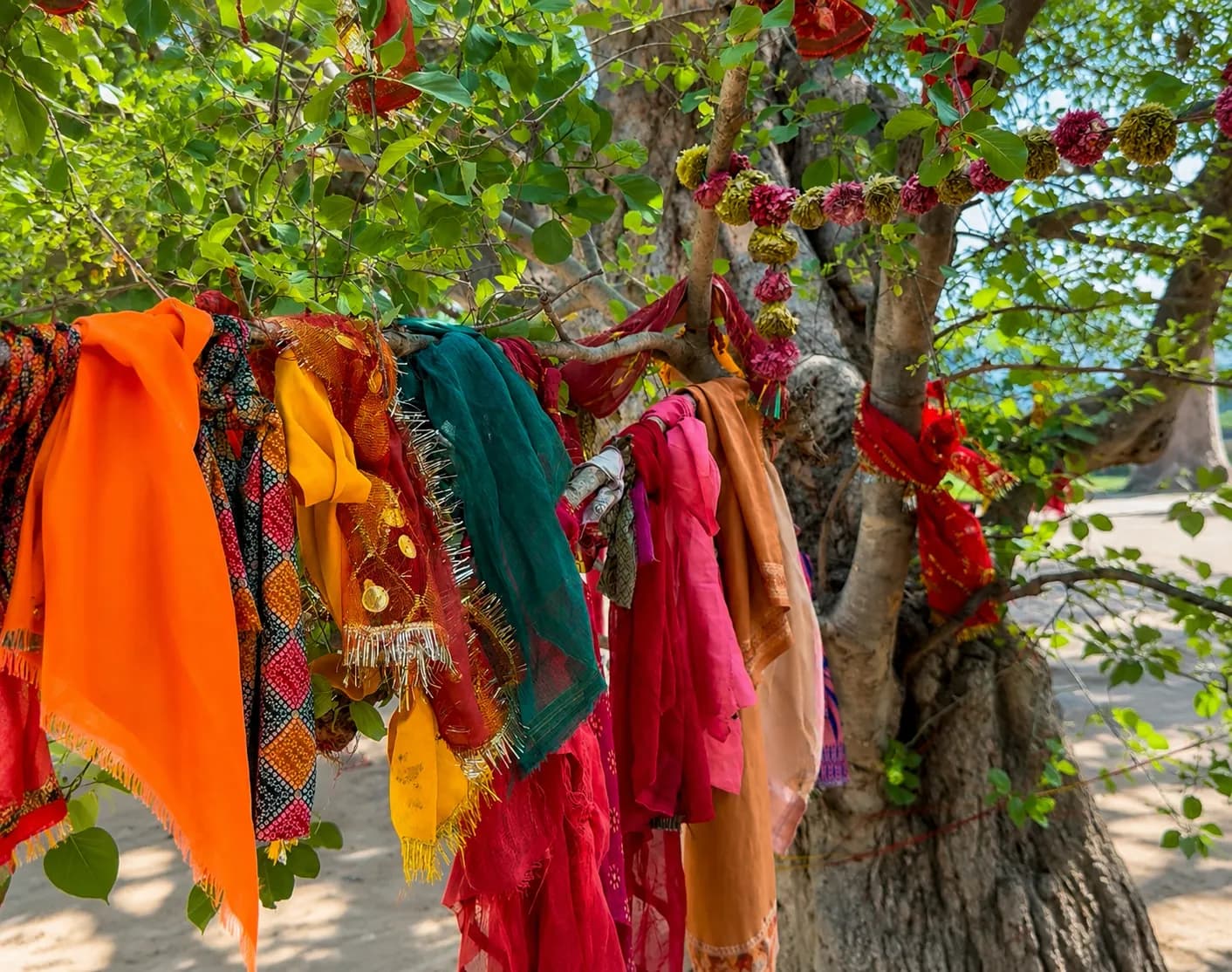
Chir-ghat is a bathing descent on the western bank of the Yamuna, on the stretch of the Vraja-mandala parikrama between Kokilavana and Nanda-ghat, about a kilometre from Gopi-ghat. The name means “the ghat of clothes”: it was here, on the last day of the katyayani-vrata, that Krishna stole the saris of the young gopis. This lila is called chira-harana – “the stealing of the garments”. There is a second Chir-ghat in Vraja, in Vrindavana, with which this place is constantly confused.
The Stealing of the Garments
For a month before this lila the gopis kept a severe vow: the young unmarried girls of Gokula went down to the Yamuna every morning before dawn, bathed at Gopi-ghat and worshipped the goddess Katyayani – all for one thing, to receive the son of Maharaja Nanda as their husband. The mantra for this worship was given to them by Vrindadevi nearby, in the forest of austerity, Tapovana.
On the last day of the vrata the girls came to the bank and moulded from clay an image of Katyayani, the eight-armed goddess riding a tiger. They adorned her, offered incense, flowers and lamps, and repeated the mantra:
kātyāyani mahā-māye
mahā-yoginy adhīśvari
nanda-gopa-sutaṁ devi
patiṁ me kuru te namaḥ
“O goddess Katyayani, O great energy of the Lord, possessor of great mystic power, O almighty mistress, please make the son of Maharaja Nanda my husband. I offer my obeisances unto you.”
At the Kadamba
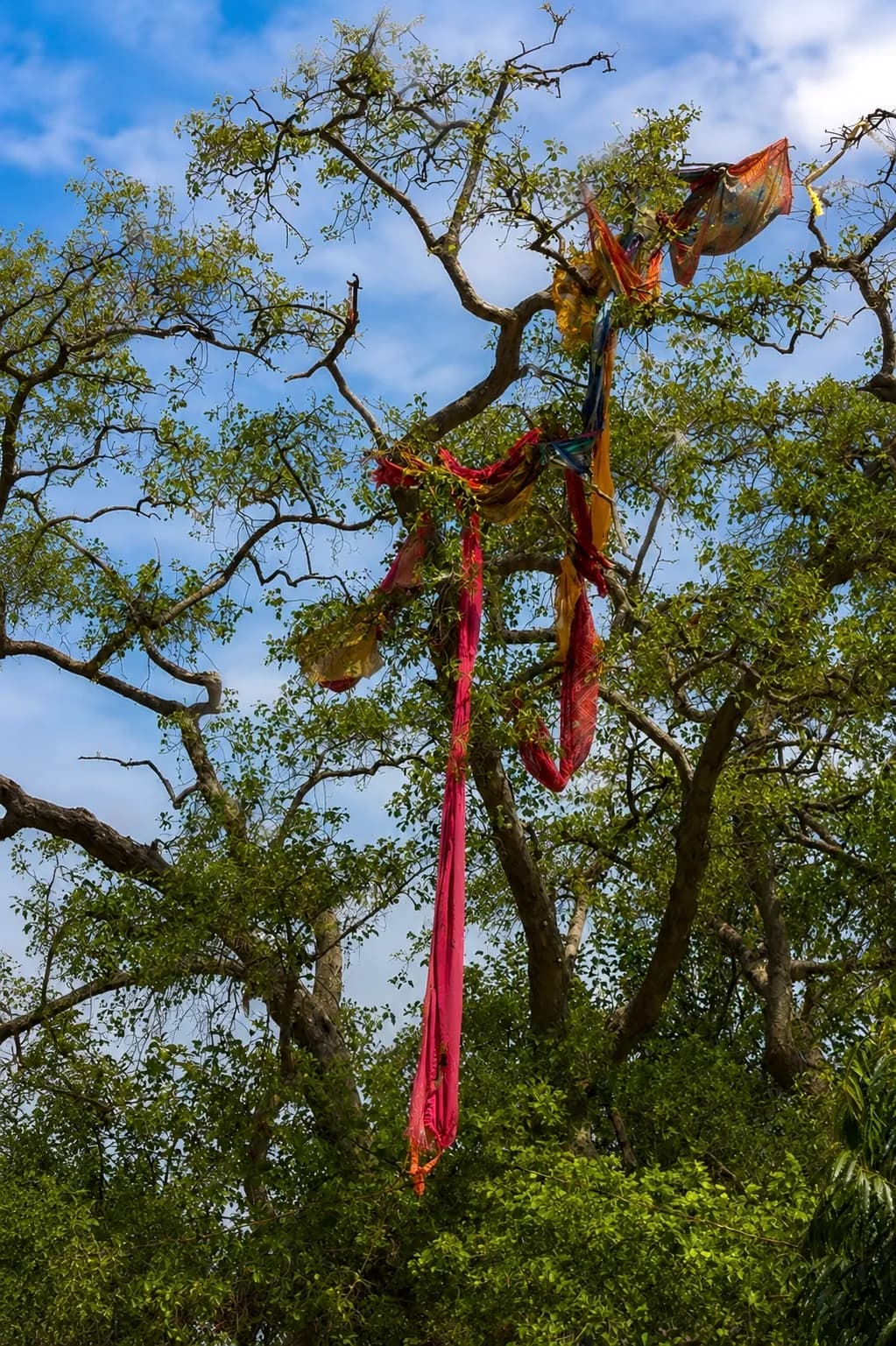
Leaving their clothes on the bank, the gopis entered the river. And then Krishna appeared. Knowing the true desire of each of them, He gathered up all their clothes, climbed a kadamba and began to call the girls one by one: let each come up and take her own dress herself.
Then a playful conversation began. “Girls! Who left these clothes up there on that high branch?” – “They are ours, give them back.” – “How can they be yours, if they are so high up?” – “Because it was You who put them there.” A month of austerity turned out not to be enough: to obtain Krishna one more step was needed – to cast off shame and the regard for propriety and to surrender to Him completely. Krishna returned the clothes, but their hearts, in Sivarama Swami’s retelling, He kept for Himself, and the girls were only glad of it. And in parting He promised:
yātābalā vrajaṁ siddhā
mayemā raṁsyatha kṣapāḥ
yad uddiśya vratam idaṁ
cerur āryārcanaṁ satīḥ
“Now, girls, return to Vraja. Your desire will be fulfilled, for in the coming nights you will enjoy My company – it was for this, O pure-hearted ones, that you worshipped the goddess Katyayani.”
Srila Raghunatha dasa Gosvami described the same scene in the following verse:
kātyāyany-atulārcanārtham amale kṛṣṇā-jale majjataḥ
kanyānāṁ prakarasya cīra-nikaraṁ saṁrakṣitaṁ tīrataḥ
hṛtvāruhya kadambam ujjvala-parīhāsena taṁ lajjayan
smeraṁs taṁ pradadau subhaṅgi-murajit taṁ cīra-ghaṭṭaṁ śraye
“I take shelter of Chira-ghat, where the unmarried gopis worshipped Katyayani-devi in an incomparable manner, immersing themselves in the pure waters of the Yamuna and leaving their clothes on the bank, and where Krishna then embarrassed them by carrying off the clothes, climbing a kadamba and making jokes before returning them.”
Krishna kept His promise in the autumn – in the rasa dance. These young gopis are not Radha and Her companions, but another circle, the unmarried friends.
Which of the Two Chir-ghats
An old confusion is attached to this place: the katyayani-vrata is often assigned to the Chir-ghat in Vrindavana, by Keshi-ghat – there too stands a temple of Katyayani. But the tradition of the Vraja-mandala parikrama says otherwise.
According to Rajashekhara dasa, the original Chir-ghat of the vrata is this one, north of Nanda-ghat; he traces the authenticity of the place to the testimony of Srila Jiva Gosvami. The Vrindavana ghat is properly called Chayana-ghat, and the lila there was quite different: Krishna hid the gopis’ clothes after the rasa dance at Seva-kunja. Two different stories, two places, two groups of gopis – and because of the identical name they are constantly mixed up.
The History of the Place
Like many tirthas of this bank, Chir-ghat was forgotten and rediscovered by Srila Narayana Bhatta Gosvami. This sixteenth-century Vaishnava established where the forests and ghats of Vraja lie and restored dozens of lost places; he also pointed out the neighbouring Tapovana.
The temple of Katyayani-devi stands at the ghat as well – in memory of the goddess whom the gopis worshipped here.
Where It Is and What Is There Today
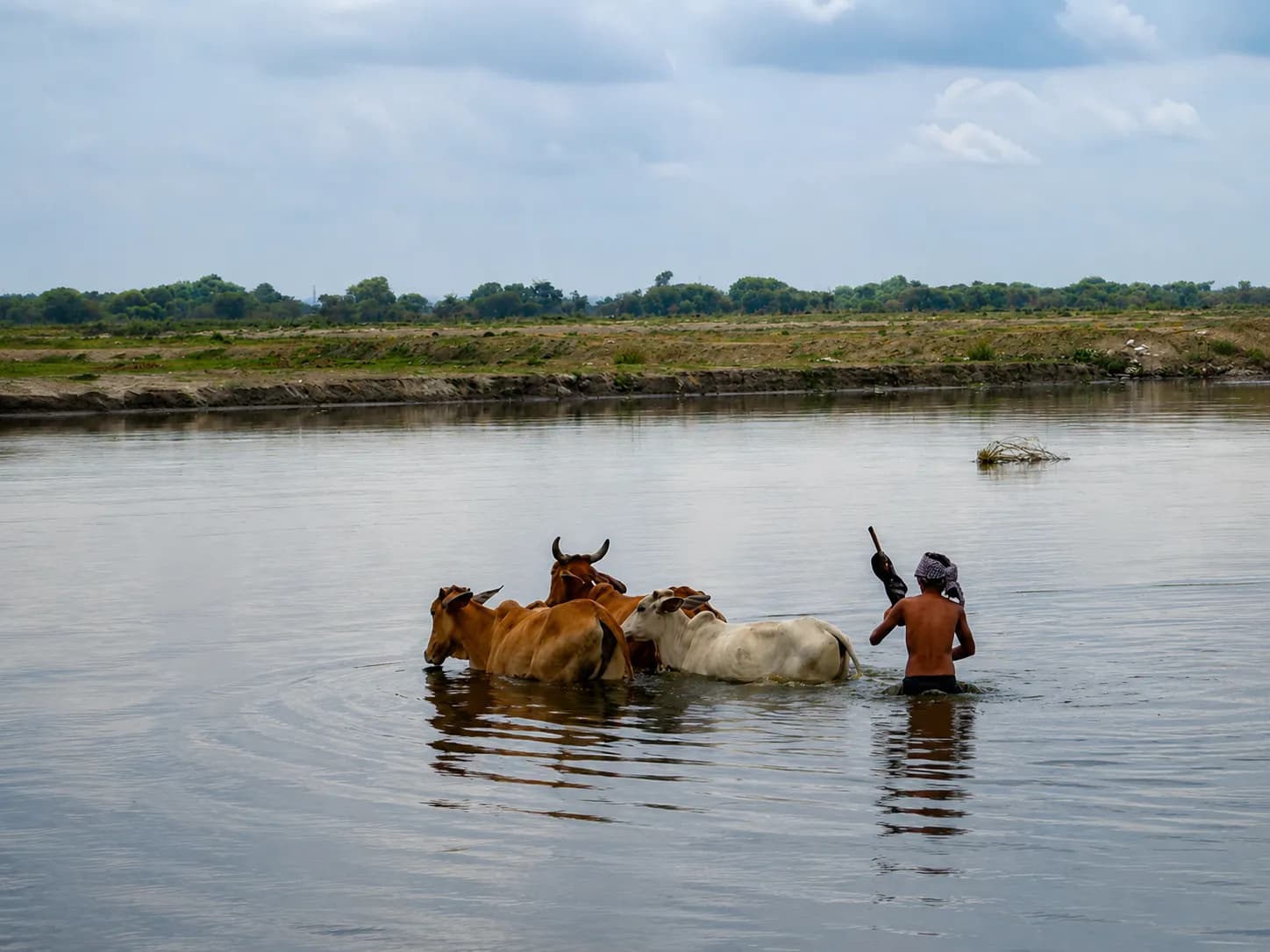
The nearest landmark is Akshaya-vata, also called Bhandira-vata, by the village of Kajarotha. The ghat itself lies north of Nanda-ghat, which is by the village of Baigram, about thirty kilometres north of Vrindavana. The area belongs to Kokilavana – an upavana, an undergrowth of Vrindavana, which some Puranas count among the twelve forests of Vraja in place of Khadiravana. One reaches this sector of Vraja from Vrindavana through Chhatikara, turning north onto the Agra – Delhi highway towards Nandagrama. On Sivarama Swami’s map the places follow one another down the river: Tapovana, Gopi-ghat, Chir-ghat, Nanda-ghat.
“They joyfully worshipped Katyayani-devi at Chir-ghat. Here they left their clothes on the bank of the Yamuna.”
Sources
We build Vrajapedia together – with stories, verses, photographs and parikrama experience. If you know something more, tell us and it will appear on this page.