Description

Bhaktivedanta Narayana Gosvami
From the book “Sri Vraja-maṇḍala-parikramā”:
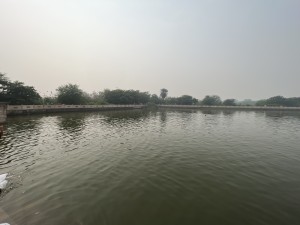
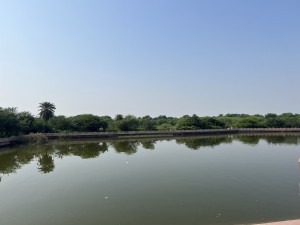
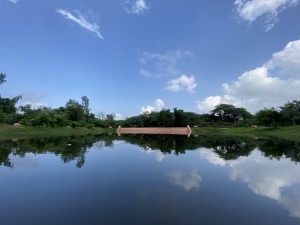
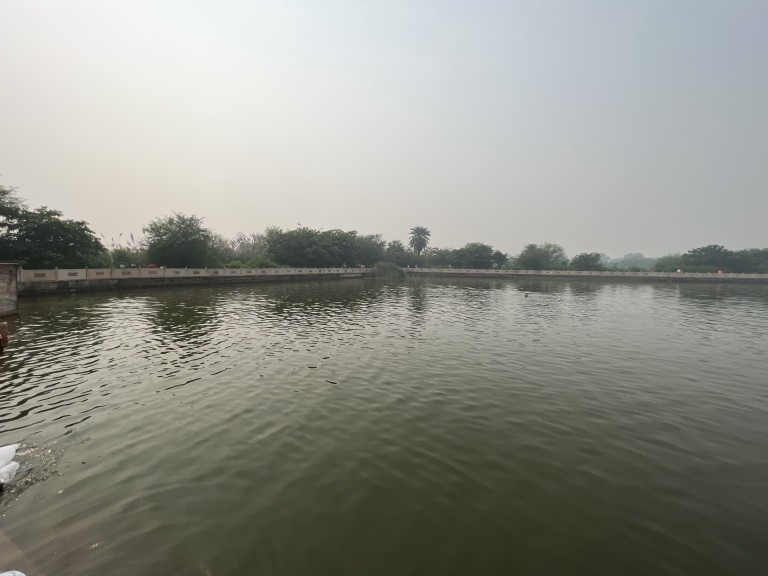
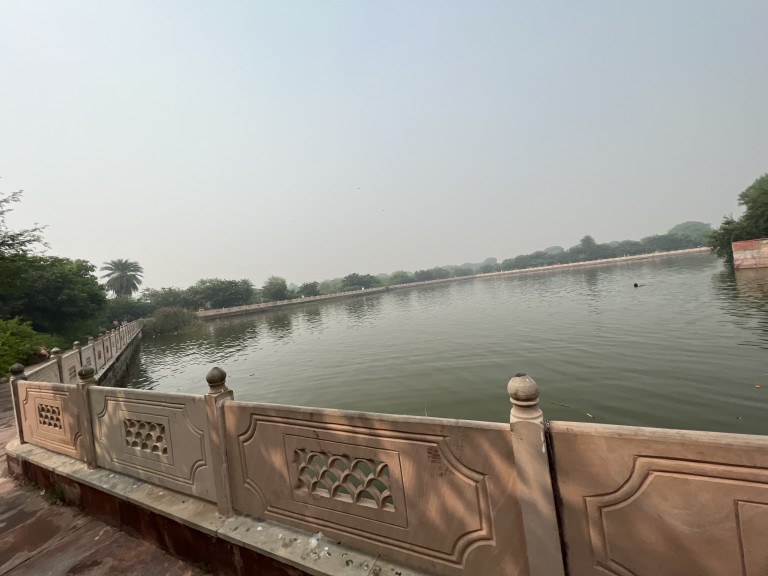
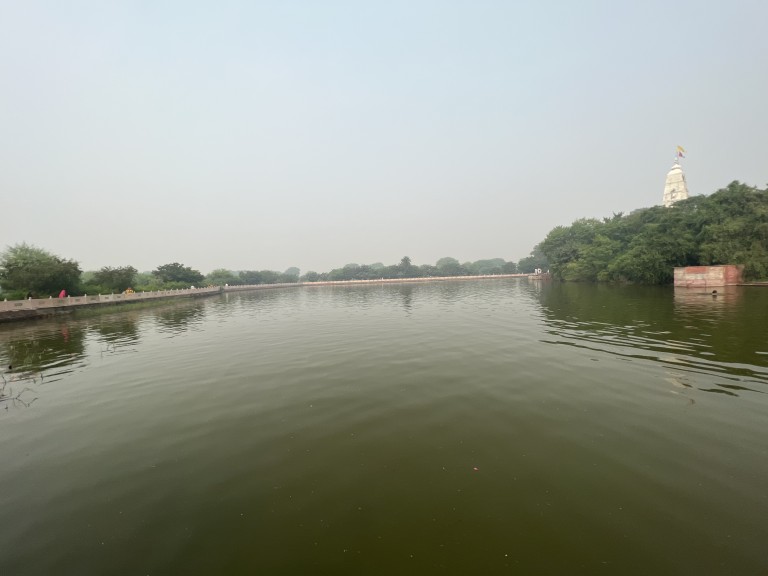
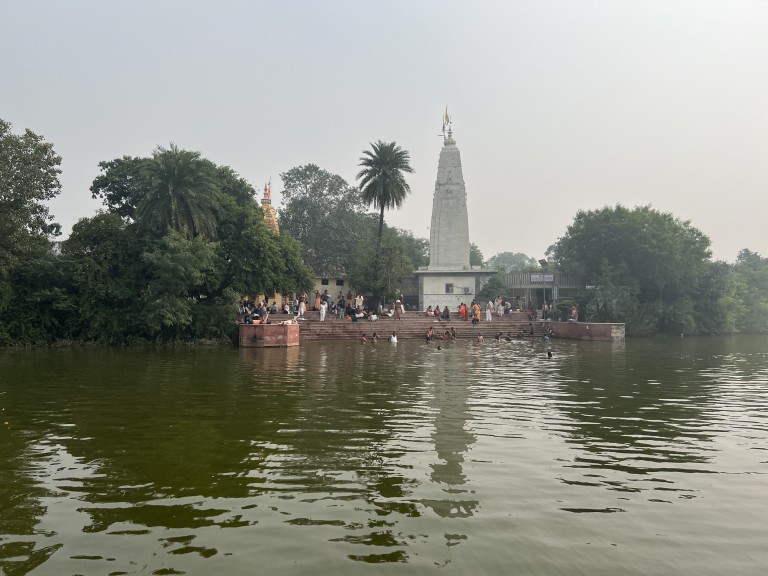
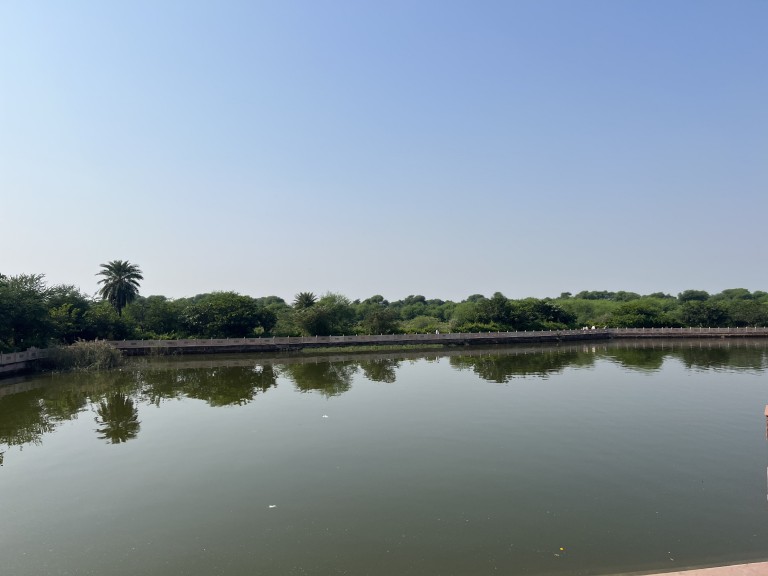
At the time of the autumnal (śāradīya) rāsa, Śrīmatī Rādhikā saw Her beloved Kṛṣṇa dancing on the bank of the Yamunā with the other gopīs. This threw Her into a sulky mood (māna) that was very difficult to subdue. She left the place of rāsa on Her own, crossed the Yamunā, and came to this solitary forest. Distressed in separation from Kṛṣṇa, She began to cry, and the stream of tears that flowed from Her eyes created this lake, or sarovara. Śrī Kṛṣṇa, the topmost relisher of transcendental mellows, searched for Śrīmatījī and found Her here. Placing His flute and His head at Her lotus feet, Śrī Kṛṣṇa admitted His fault and assured Her that He would never act like that again.
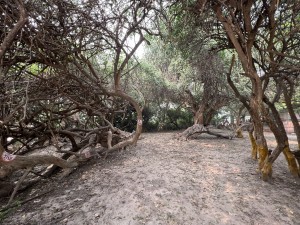
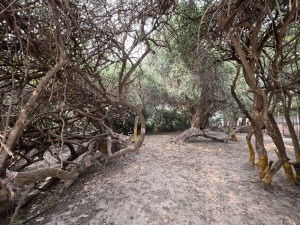
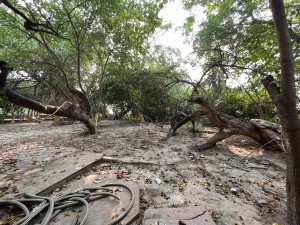
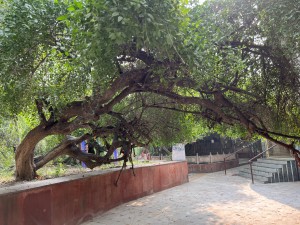
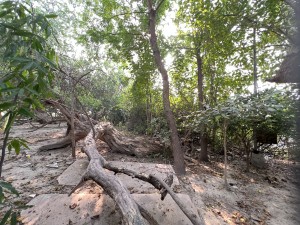
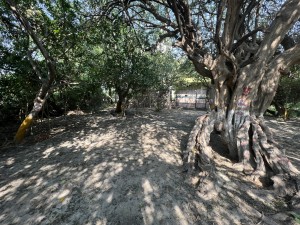
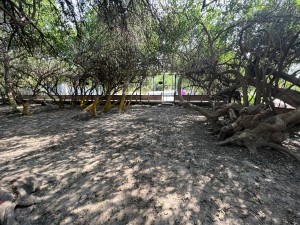
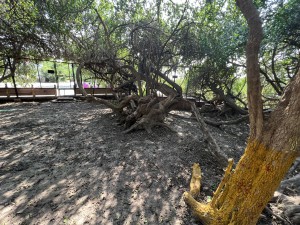
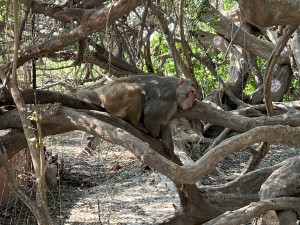
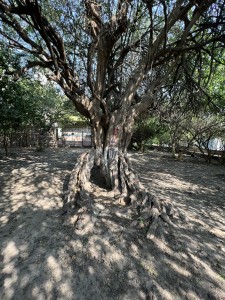
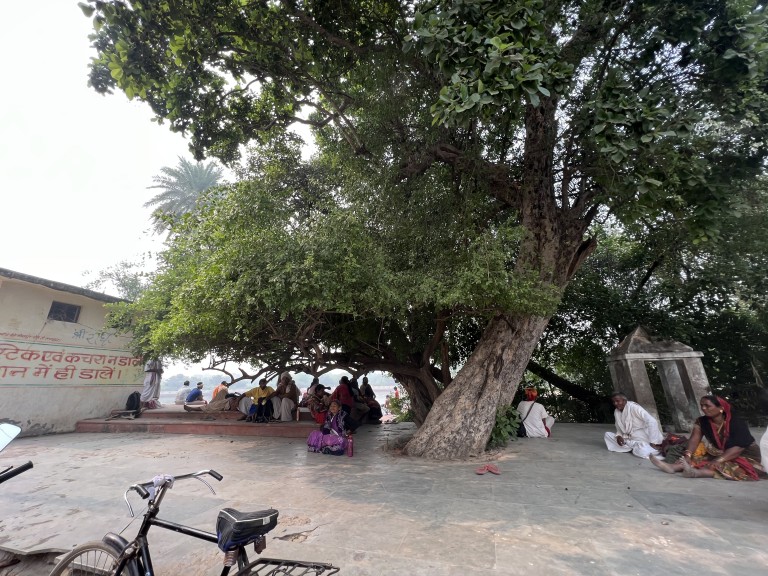
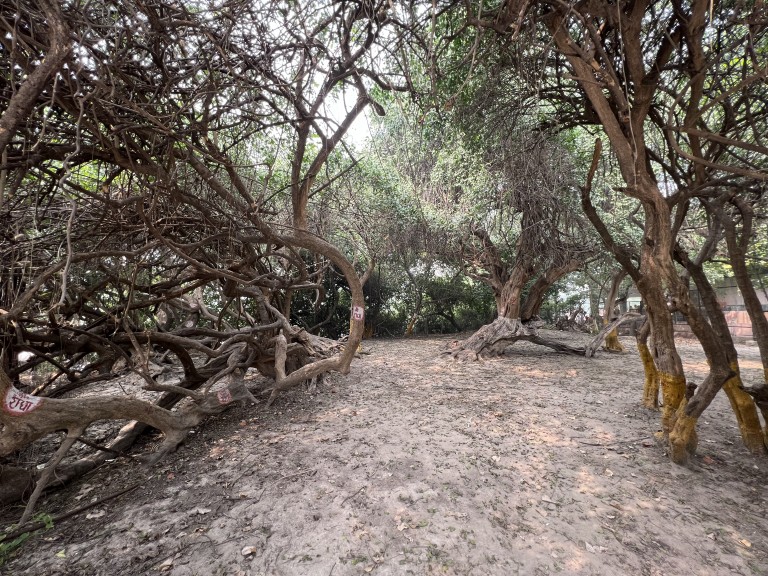
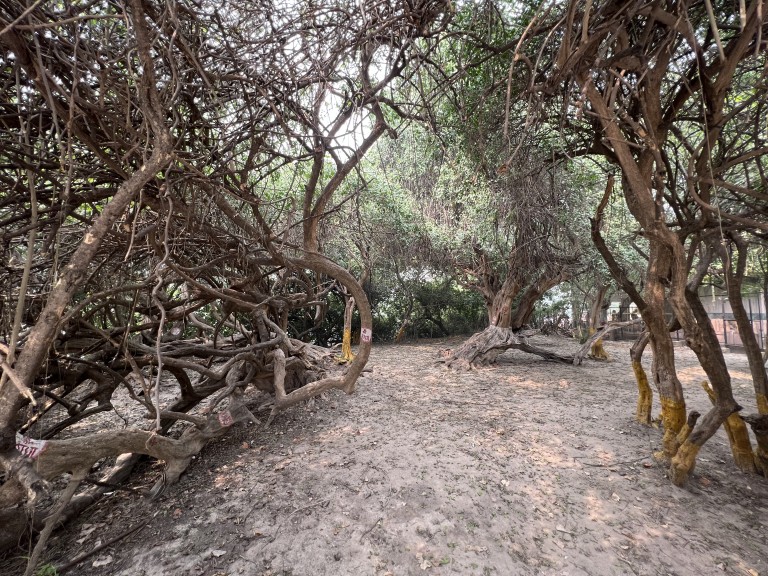
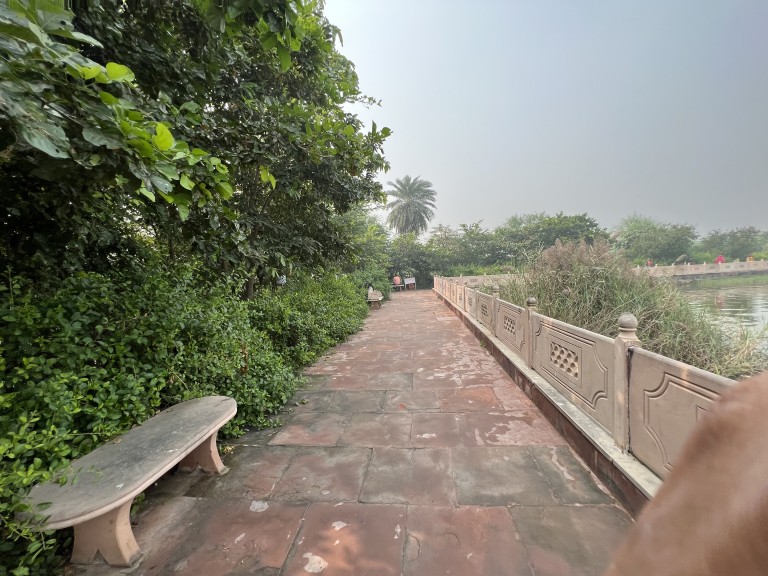
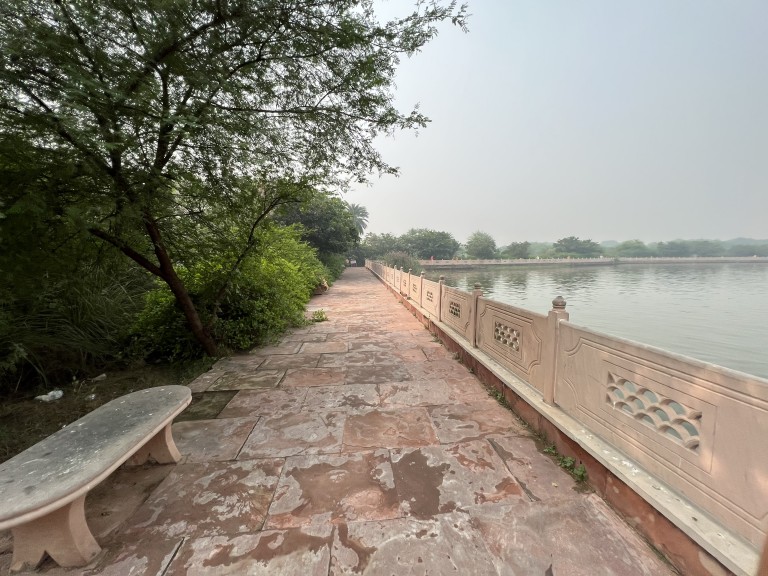
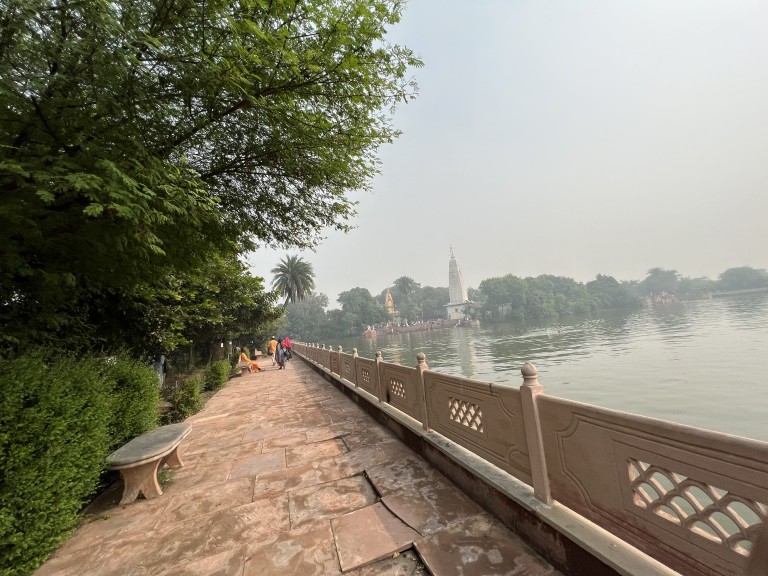
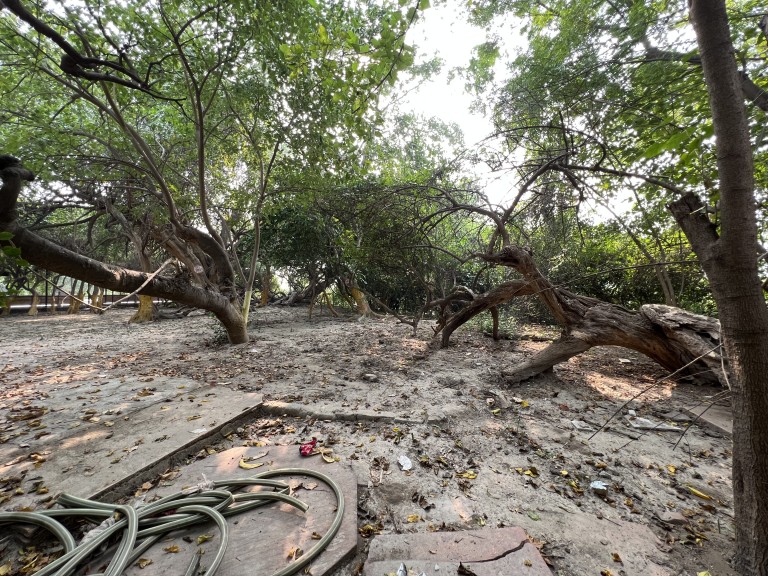
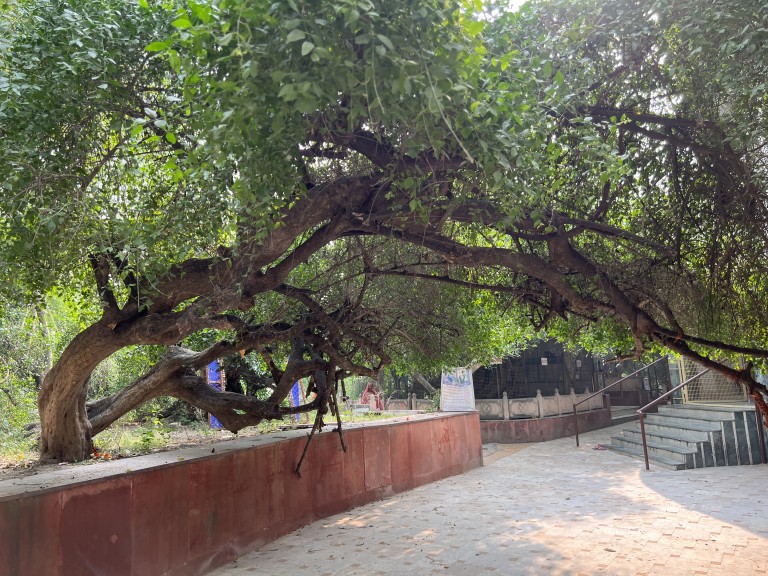
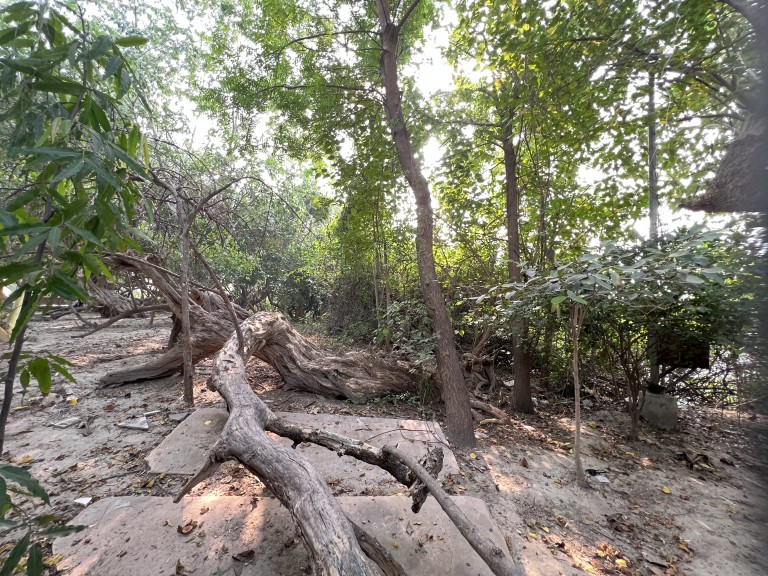
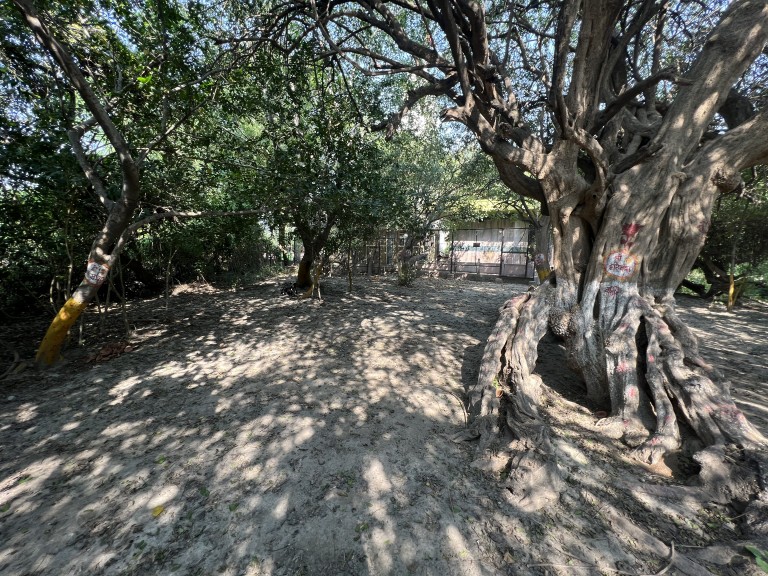
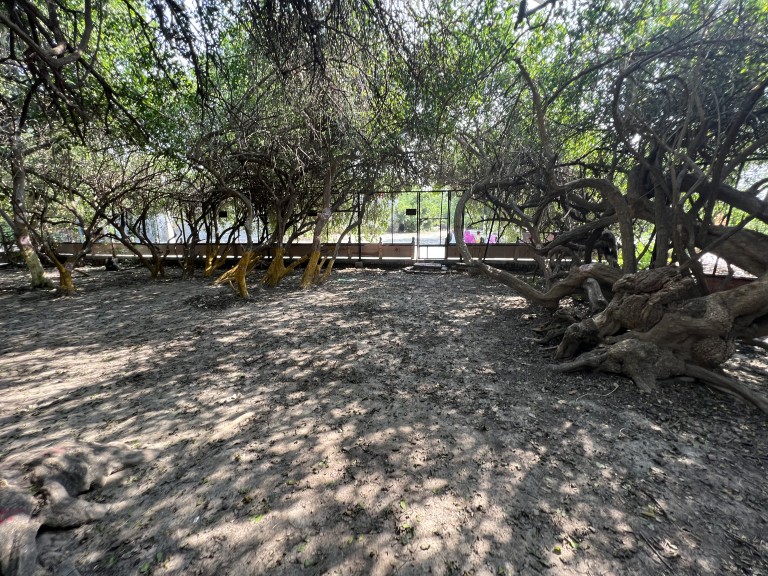
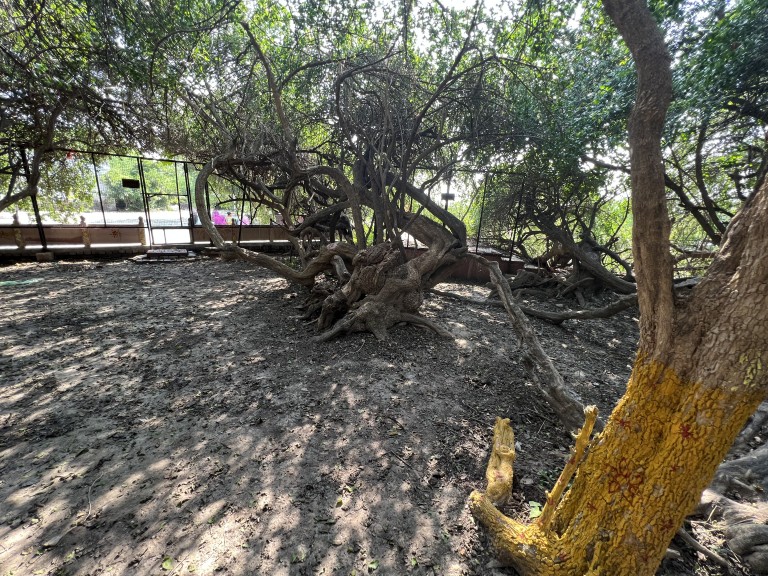
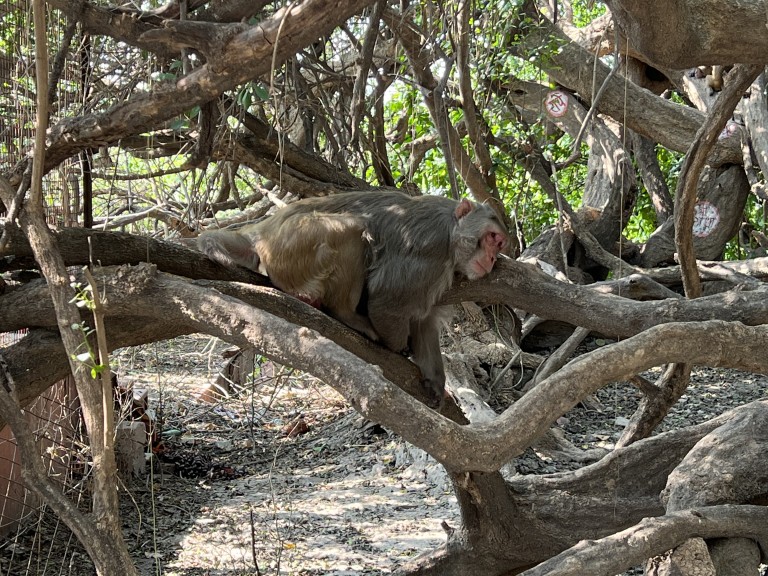
This charming place in Vraja is embellished by the dense shade of the pīlū, kadamba and tamāla trees and by the peacocks, cuckoos, swans, deer and other birds and animals. It remains visible to our eyes to this present day so as to remind us of the pastimes of the Divine Couple, Śrī Rādhā-Kṛṣṇa.
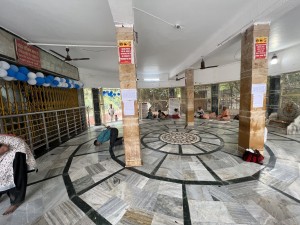
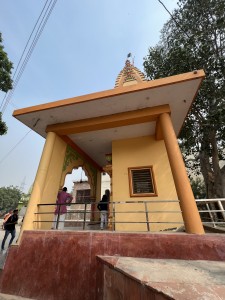
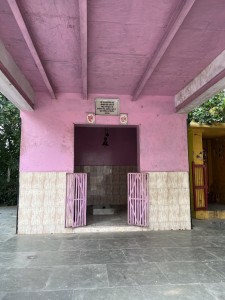
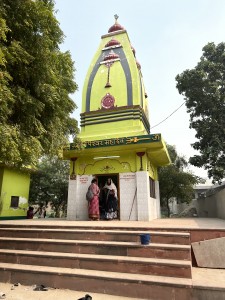
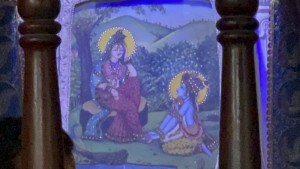
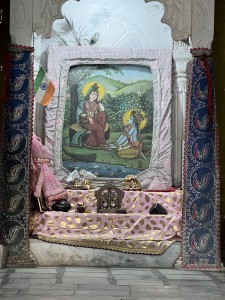
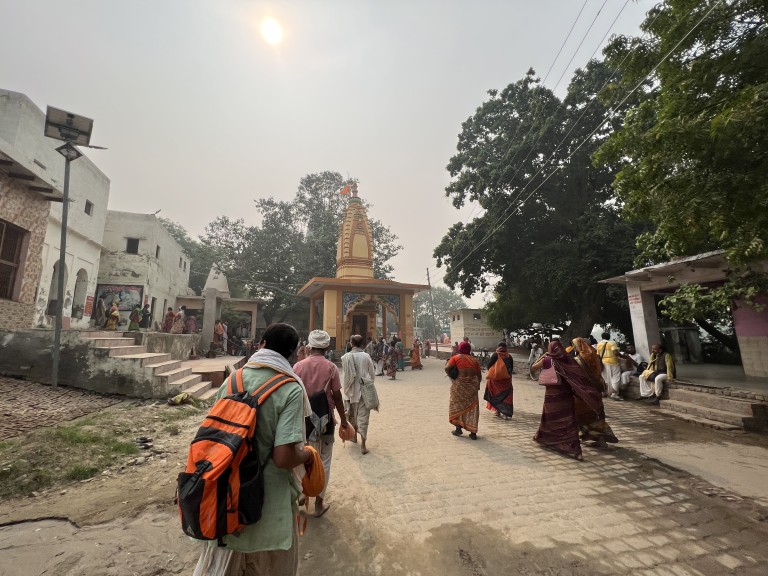
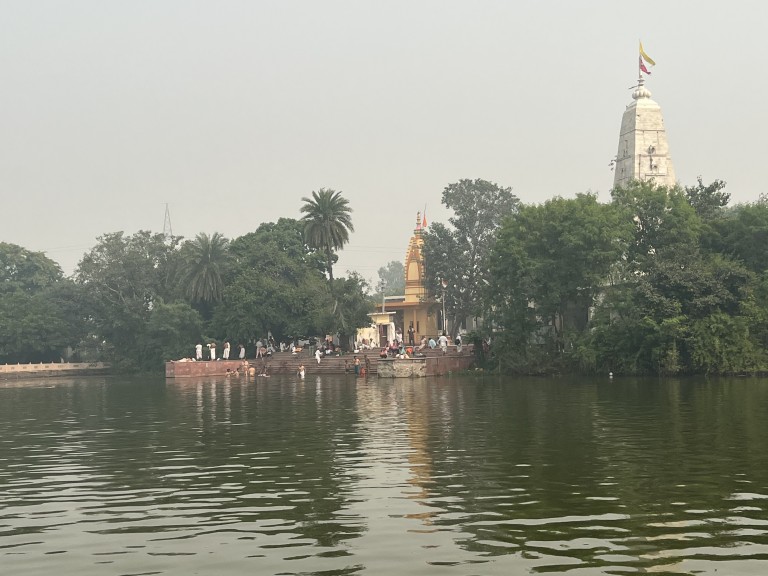
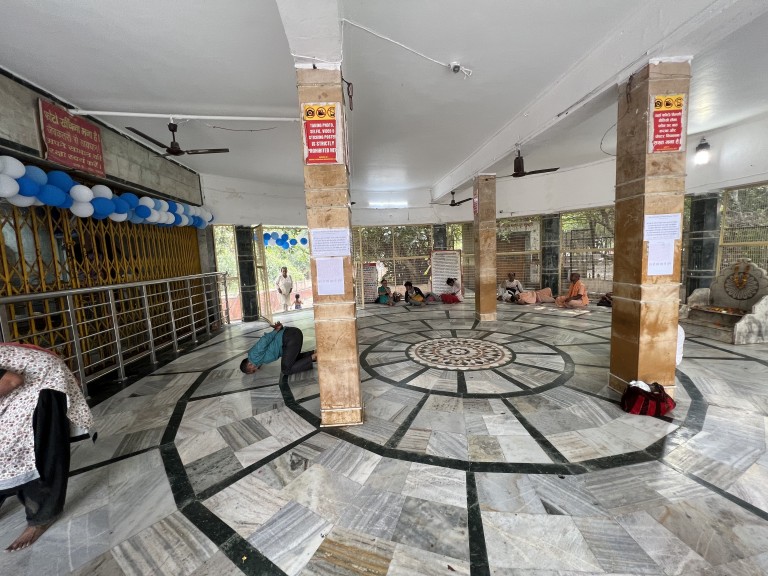
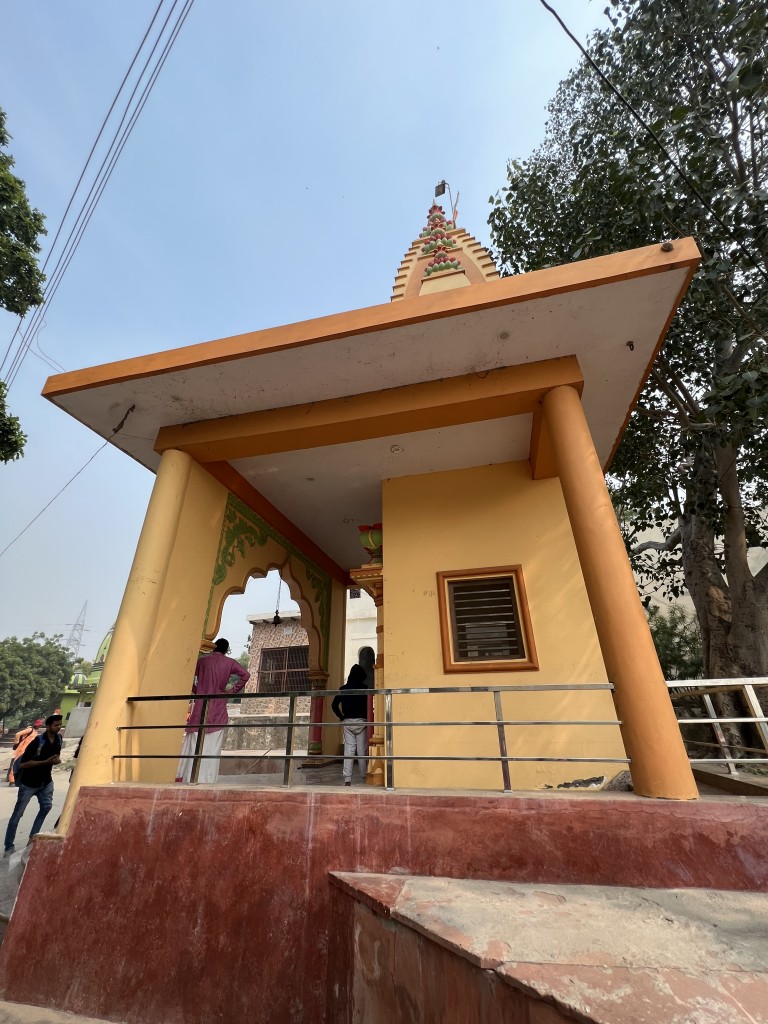
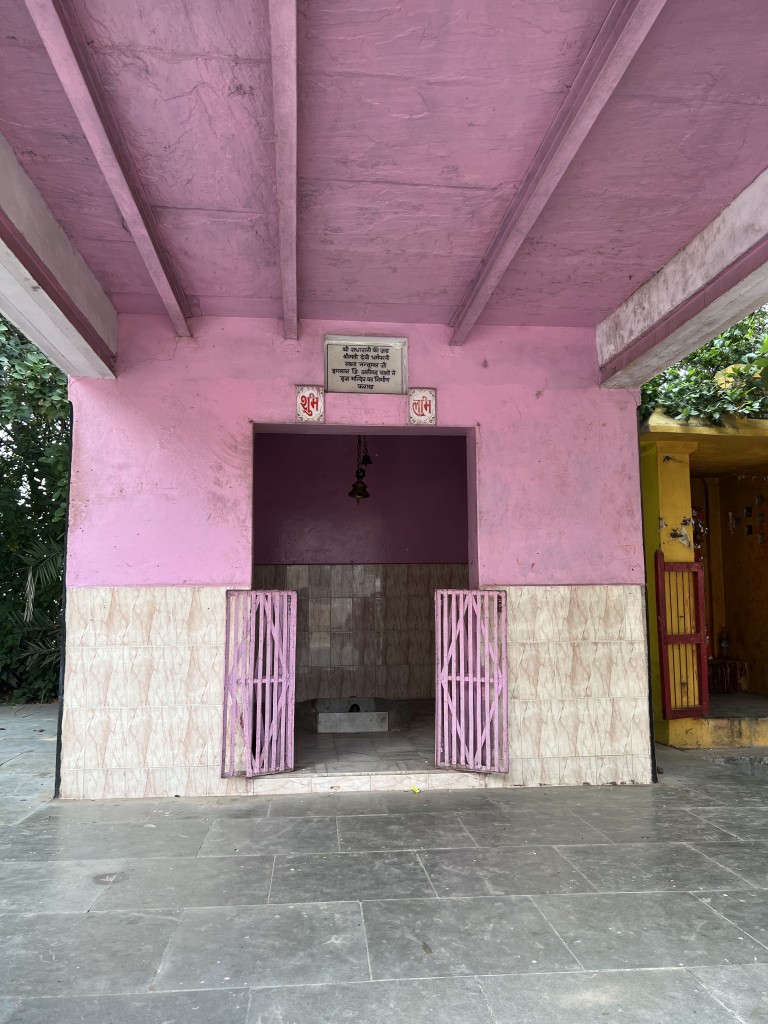
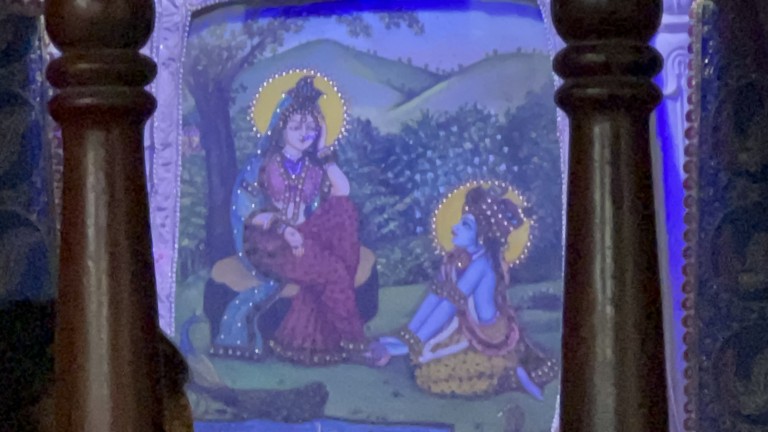
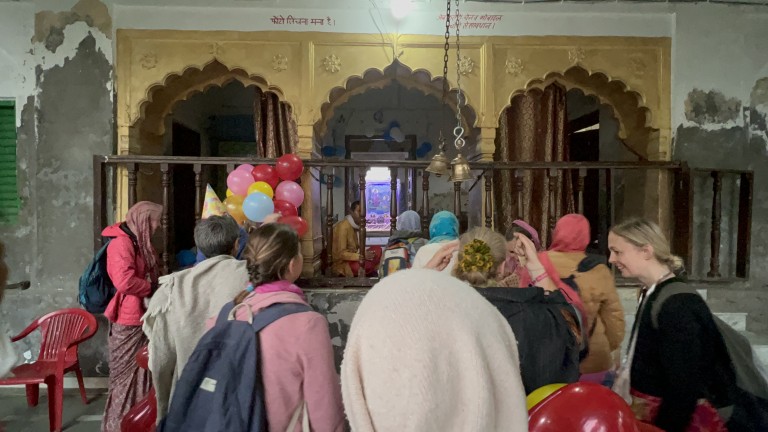
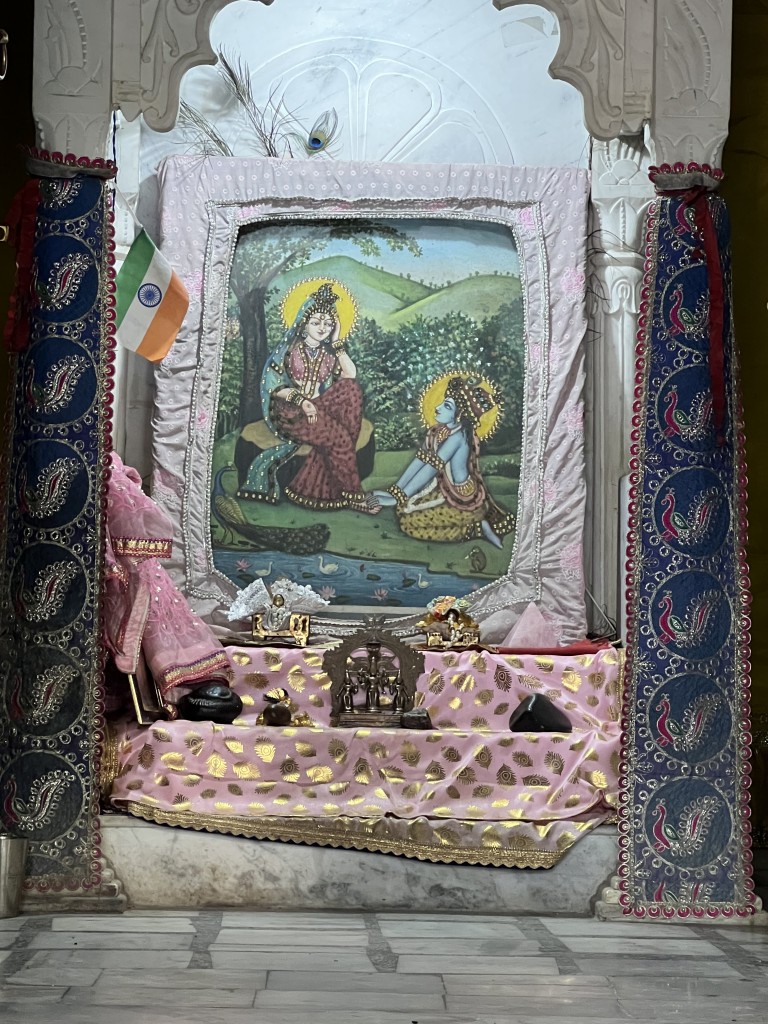
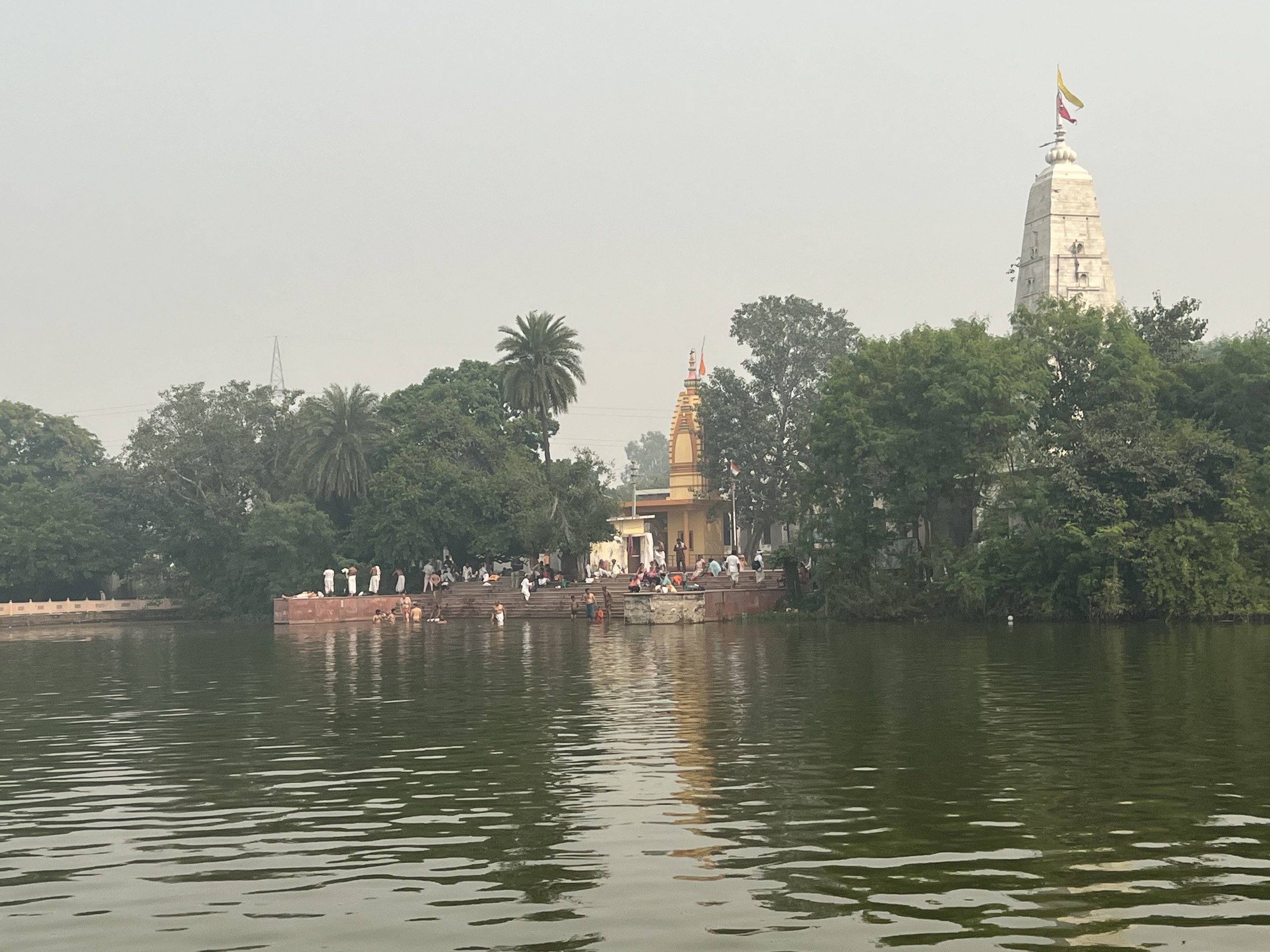
In the old temple on the bank of Māna-sarovara, a painting is worshipped of Śrī Kṛṣṇa offering His flute and His head at the lotus feet of Śrīmatī Rādhikā in an effort to break Her māna. Śrī Kṛṣṇa is looking at Her as if to say, “smara-garala-khaṇḍanaṁ mama śirasi maṇḍanam dehi pada-pallavam udāram – the beautiful flower blossoms of Your feet counteract the deadly poison of amorous love, and they extinguish the fearsome fire of the pain of that love, which rages within My heart. Therefore, please be kind and decorate My head with Your flower-like feet.”
Rajashekhara Dasa
From the book “Chaurasi-kosa Vraja Mandala Parikrama”:
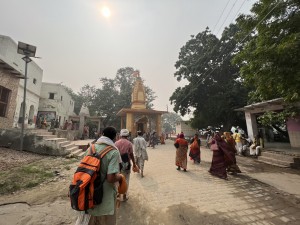
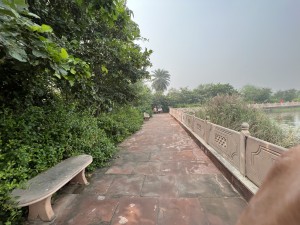
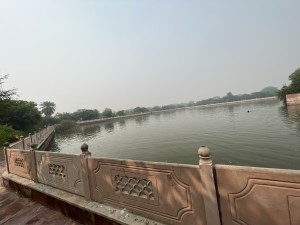
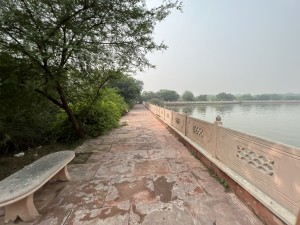
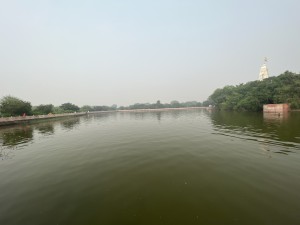
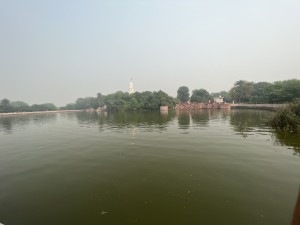
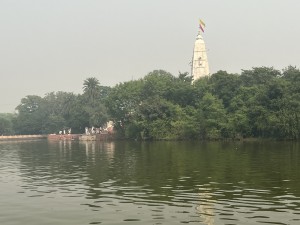
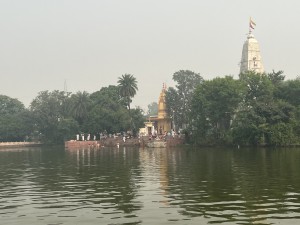
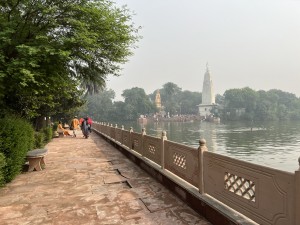
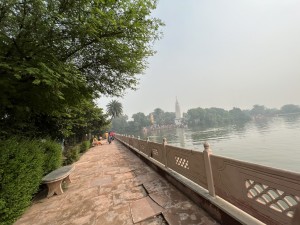
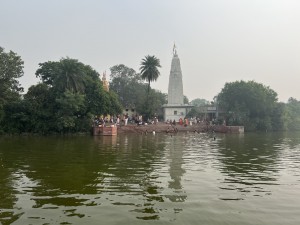
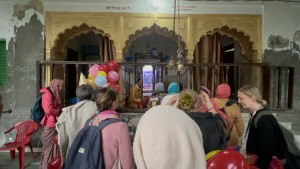
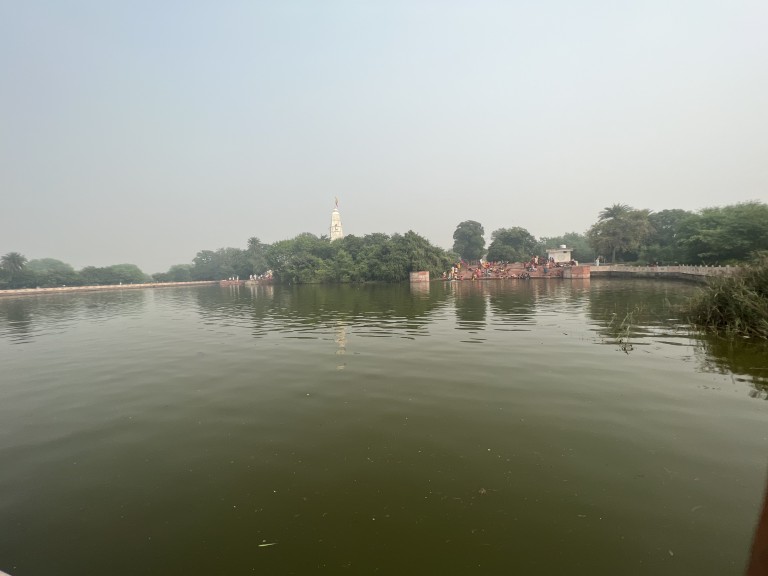
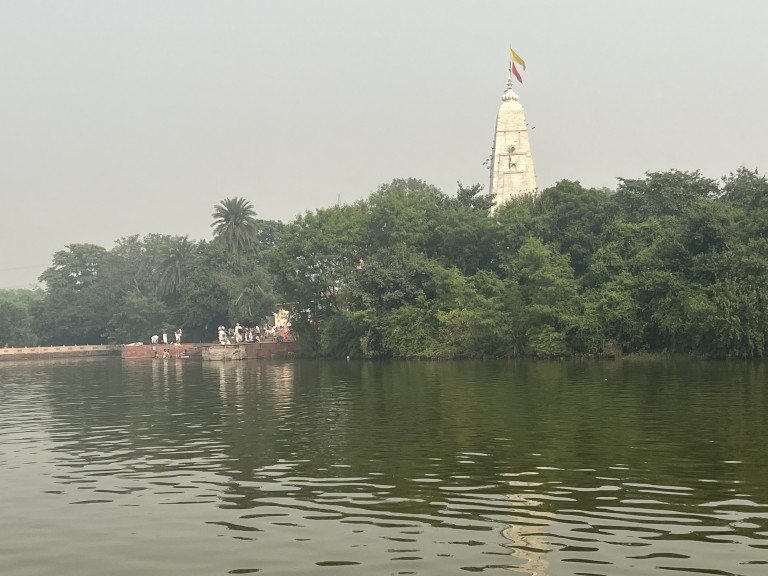
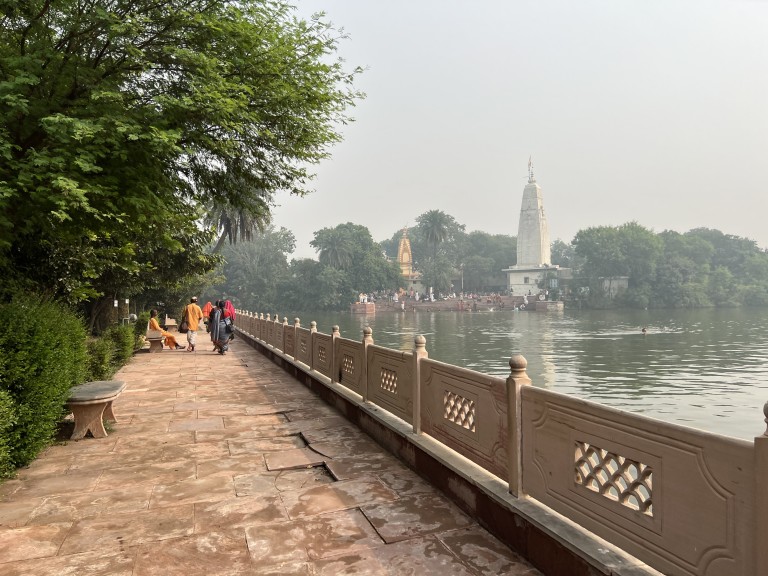
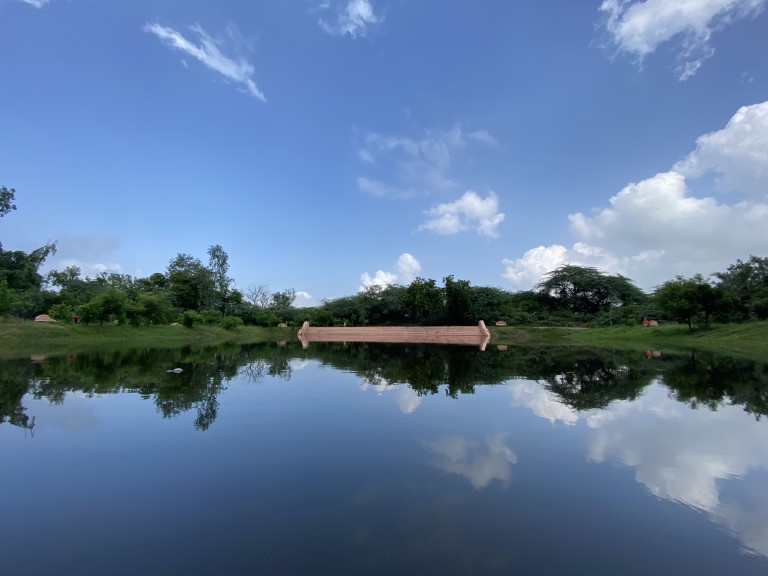
The sacred lake of Mana-sarovara is a most beautiful and tranquil place inhabited by a variety of water-birds like ducks, herons and cranes. Located on the banks of Mana-sarovara is the Mana Mandira where a painting is worshiped that depicts the sacred pastime that took place here where Krishna is seen bowing down and offering His flute at the lotus feet of Radharani. The name Mana-sarovara actually means the ‘lake of jealous anger’ and is also known by other names like Radharani-mana-sarovara, as well as Pokhara Hridaya which means the ‘lake of Radha’s heart’. The local Vrajavasis call the lake simply as Radharani. The word ‘mana’ pronounced as ‘maana’ means a kind of ‘jealous anger’ or ‘lovers pique’, which is caused by being either slighted or neglected by one’s sweetheart. This mana is often exhibited by Radharani when She sees Krishna talking or loitering with other gopis, especially if it happens to be Radharani’s arch rival and cousin, Chandravali.
In the Bhakti-ratnakara, while discussing Bilvavana, it mentions that both Krishna-kunda and Mana-sarovara are situated within the forest of Bilvavana although some commentators claim that Krishna-kunda and Mana-sarovara are within the sub-forest of Mathavana. The Bhakti-ratnakara says that during the mid-16th century, the Yamuna River divided herself into two channels and the area around lake Mana-sarovara became an island situated in the middle of these two channels. When Raghava Pandit, Shrinivasa and Narottama visited this holy place it was an island. Raghava Pandita states in the Bhakti-ratnakara, “Previously the Yamuna flowed in a single course and Mana-sarovara was on the other side of the river. Now the Yamuna has divided herself into two and meets again at another point to create a circle around Mana-sarovara. All of these places are sites of Krishna’s pastimes.” Now at the present time the eastern channel has completely disappeared and only the western channel exists.
Radha’s Tears Created Mana-sarovara
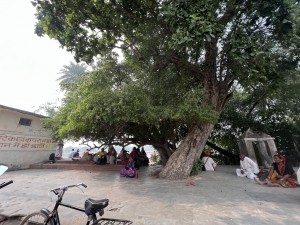
It is said that once during the rasa-lila at Seva Kunja in Vrindavana, Radharani arrived a little late and when She entered the rasa-mandala She got a shock when She saw that Krishna was already dancing with some of the other gopis. Radharani felt completely devastated and being overwhelmed with jealousy and anger, immediately ran away from the rasa-mandala. With tears welling in Her eyes, Radharani came to this secluded spot and sitting under a bower, began to weep piteously. It is said that the torrent of Her tears eventually created a lake which became known as Mana-sarovara.
Realizing that Radharani had run away from the rasa-mandala, Krishna immediately started to search for Her. Within a short time He arrived at the bower where Radha was hiding and He saw She was distraught and sobbing Her heart out. Understanding that Radha’s feelings were deeply hurt and that Her mana was very strong, Krishna felt great remorse. In order to alleviate Radha’s mana, Krishna lay prostrate on the ground before Her and placing His head at Her lotus feet, pleaded for forgiveness. Krishna then placed His flute at Her lotus feet and begged Radharani to accept Him as one of Her servants. Seeing Krishna surrender Himself to Her in such a humble way, Radha’s mana subsided and Her tears stopped. In the Vraja-vilasa-stava there is the following verse composed by Raghunatha Dasa Goswami which says, “In order to increase the splendid and nectarean jealous love of Shrimati Radharani, who sometimes becomes proud of Her own good fortune, Lord Krishna briefly enjoys pastimes with other gopis, who blossom with many amorous desires.”
Lord Shiva Becomes a Gopi
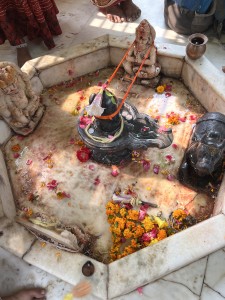
There is another story concerning this sacred lake of Mana-sarovara that has become a part of Vrajavasi folk-lore. Once, Lord Shiva had a deep desire to witness the rasa-lila performance of Radha and Krishna at Seva-kunja. However, when Shiva arrived at the rasa-mandala, he was stopped by Lalita and Vishakha, who informed him that although he was eligible to sit in a corner of the rasa-mandala to observe Krishna’s dancing with the gopis, he would first have to bathe in the sacred lake of Mana-sarovara in order to obtain the body of a gopi, as no male other than Krishna could enter the rasa-mandala. Therefore, after bathing in Mana-sarovara, Lord Shiva obtained the body of a gopi and returned to the rasa-mandala where in his gopi form, he was greeted by Krishna, who informed the new gopi that her name would be Gopishwara, saying that from now on, Gopishwara should always protect the gopis as well as the rasa-mandala.
Photo (35)