Description

Rajashekhara Dasa
From the book “Chaurasi-kosa Vraja Mandala Parikrama”:
This is one of the more isolated and wildly beautiful parts of Vraja, being surrounded with tree lined hills and dense forests. It is also the haunt of hundreds of peacocks and a variety of exotic birds, as well as many species of wild animals. Nestled in the heart of this exotic landscape is the famous shrine of Adi-Badrinatha, dedicated to Lord Nara and Narayana Rishi, the twin incarnations of Lord Vishnu. It is said that this holy tirtha was discovered by Shrila Narayana Bhatta. The incarnation of Lord Nara Narayana Rishi is the predominating Deity of Bharata-varsa (India) and worshiped specifically by Narada Muni at Badrikashrama in the Himalayas. It is stated by Lord Garbodakshayi-Vishnu in the tenth-canto of Shrimad-Bhagavatam, that Krishna and Arjuna are both incarnations of Nara-Narayana Rishi. This refers to the two-armed Narayana feature when the Lord is present at places outside Vrindavana like: Mathura, Dwaraka, Hastinapura and the battlefield of Kurukshetra, or whenever He is engaged in pastimes with Arjuna. Whenever Krishna kills the demons that enter Vrindavana, He does so in His Narayana feature (Vishnu) and not in His original form as Krishna the cowherd boy. This two-armed Narayana form is also known as Vasudeva-Krishna, Yadukumara and Dwarakadisha.
The word ‘adi’ means ‘first’ or ‘original’ and Adi-Badrinatha in Vraja is considered to be the original Badrinatha, with Badrinatha (Badrikashrama) located in the Himalayas as its expansion. This is because Vrindavana Dhama and all its holy places are part of the eternal spiritual sky and therefore not created at any time, unlike the temporary material world, which is created at a particular time. All the incarnations of Godhead have descended from the spiritual world and when They descend, They bring with Them their own original abodes or dhamas. Therefore, all incarnations and holy dhamas have their origins in the spiritual world. And just as Lord Shri Krishna has His eternal abode in Goloka Vrindavana, Lord Nara-Narayana is eternally residing at Badrinatha Dhama that is situated in one of the Vaikuntha planets.
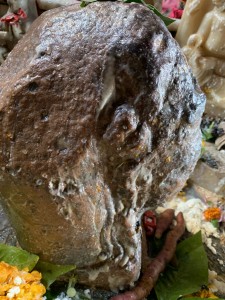
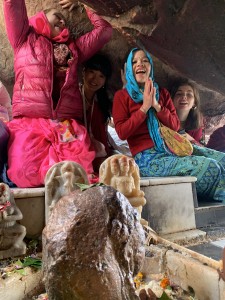
On the simhasana in the Adi-Badri shrine one can be see the Deity of Lord Nara in His ‘chatur-bhuja’ form with four arms holding the four symbols of Vishnu that includes a lotus, chakra, conch, and club. Next is the Deity of Lord Narayana, who is sitting in the yoga-asana, or the meditation pose. Next is Shriman Uddhava, Krishna’s dear friend who after Krishna’s departure from the world, went to the Himalayas to take refuge of Nara-Narayana Rishi at Badrikashrama. Other Deities that can be seen here include Shrila Narada Muni, the ‘rishi amongst the demigods’, who, during the winter season when it snows in the Himalayas and humans cannot stay there, assumes the position of the temple pujari to perform the seva-puja of Lord Nara-Narayana. Next is Kuvera the treasurer of the demigods, whose ancient kingdom on earth was situated in the Himalayas north of Badrinatha, and who also performs the duties of a pujari during winter. In the same temple are Deities of Shri Shri Radha Krishna and also Lord Shri Nathji holding Govardhana Hill. There is also a Deity of Annapurna Devi, the mountain-goddess who has a range of mountains in the Himalayas named after Her.
Situated in the compound of the shrine can be found the Tapta-kunda, the water of which is stone-cold the whole year round and bathing there is always a great tapasya. The word ‘tapta’ or ‘tapa’ is derived from the word ‘tapasya’ which means ‘austerity’. Paradoxically, the kundas at Badrinatha in the Himalayas are boiling-hot due to underground sulphur springs, and bathing there is another type of tapasya. The water of these sulphur kundas is so hot that sadhus often cook food like rice, chapatti doe and vegetables, within the kunda by wrapping the items in cloth and then lowering it into the steaming hot water.
It is mentioned in the Shrimad-Bhagavatam, that after His appearance on earth, Lord Nara-Narayana Rishi went to meditate and perform tapasya on the Gandhamadana Mountain, which is sometimes called the Nara-Narayana Parvata. The word ‘parvata’ also means mountain. That same Gandhamadana Mountain is also present here at Adi-Badrinatha, along with all the other important holy places found in the Himalayan ranges in Northern India, including: Trikut Parvata, Nishada Parvata and Keshava Parvata, the holy rivers Alakananda (Ganga), Yamuna, and Saraswati, the holy places Haridwara and Har-ki-pauri, Rishikesh, Lakshmana-jhula and Tapovana, are all to be found here. There is also the famous Triveni Sangama and Dashashmavedha Ghata. Adi-Badri is also mentioned to be one of the upavanas or sub-forests of Vraja.
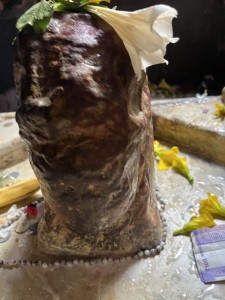
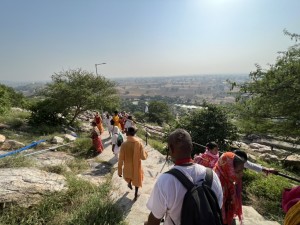
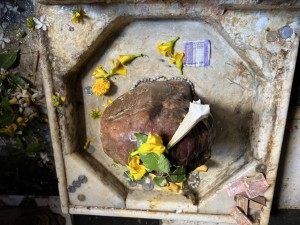
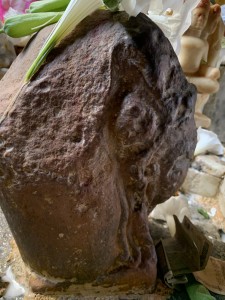
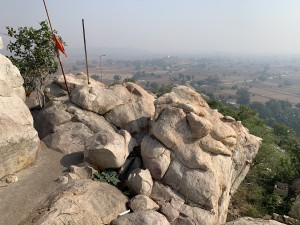
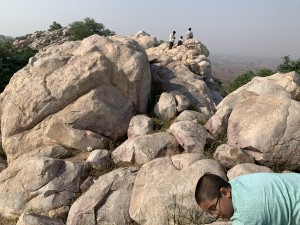
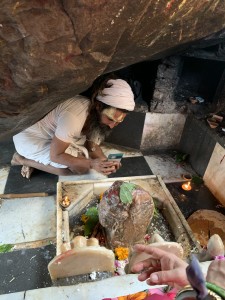
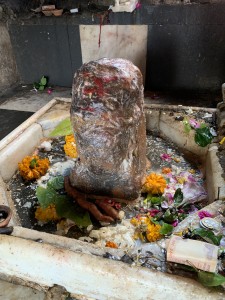
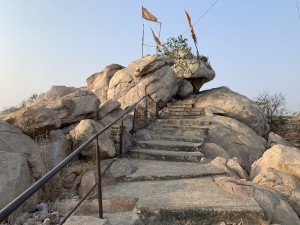
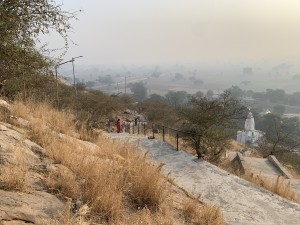
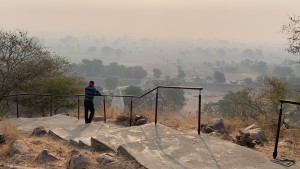
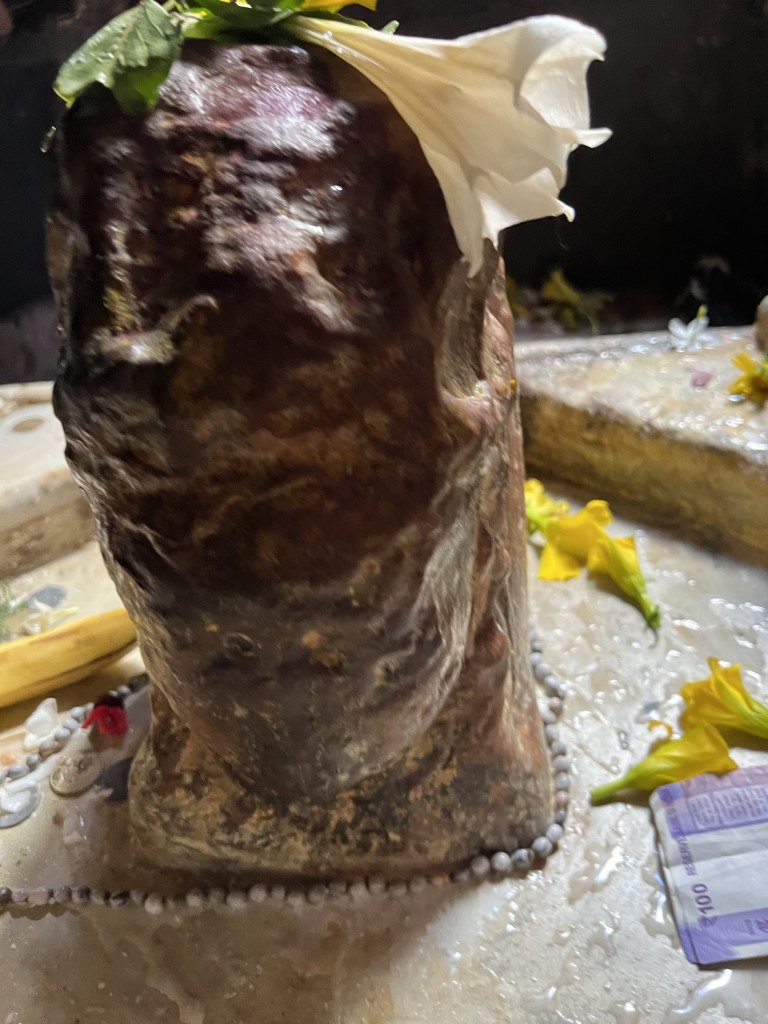
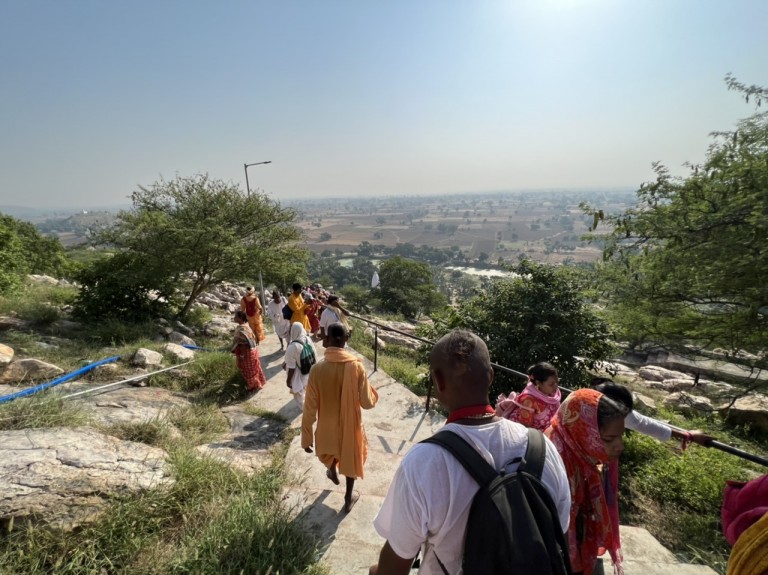
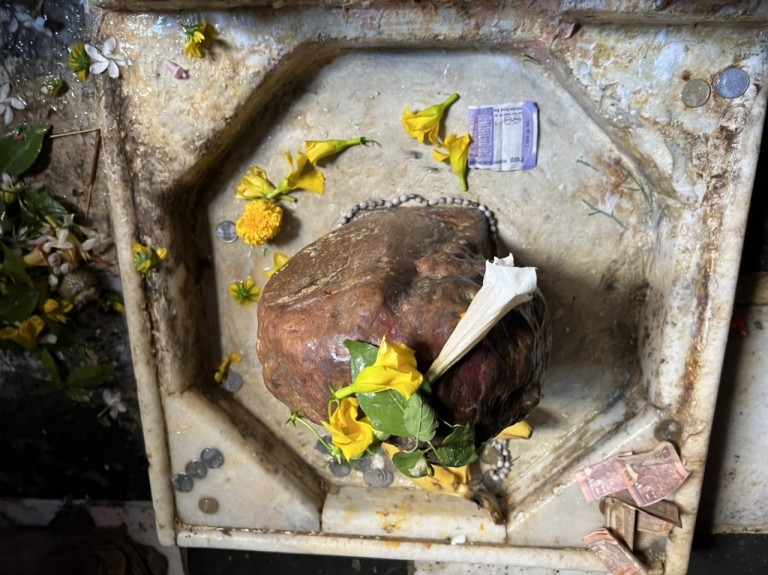
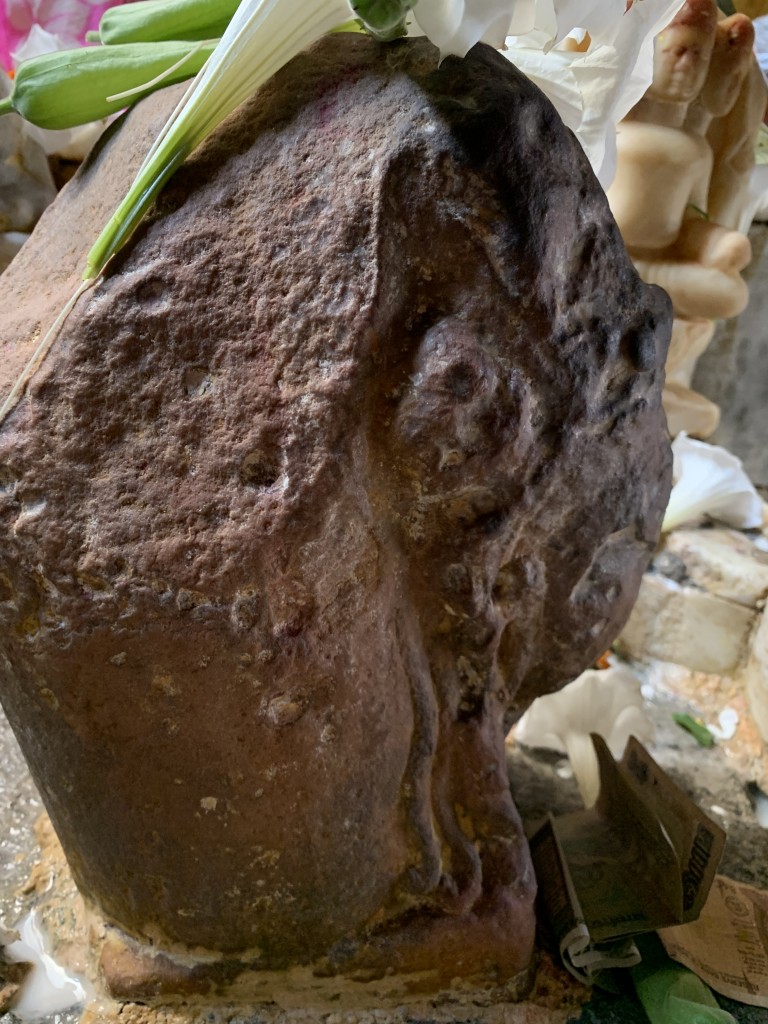
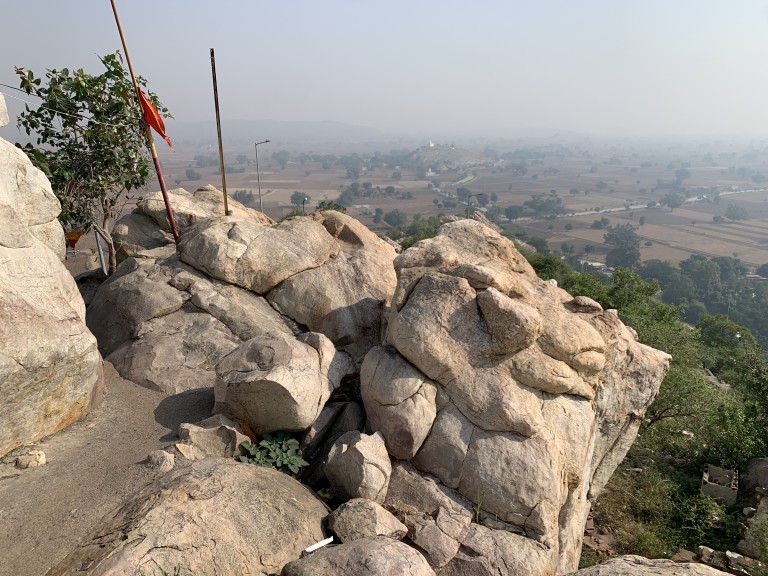
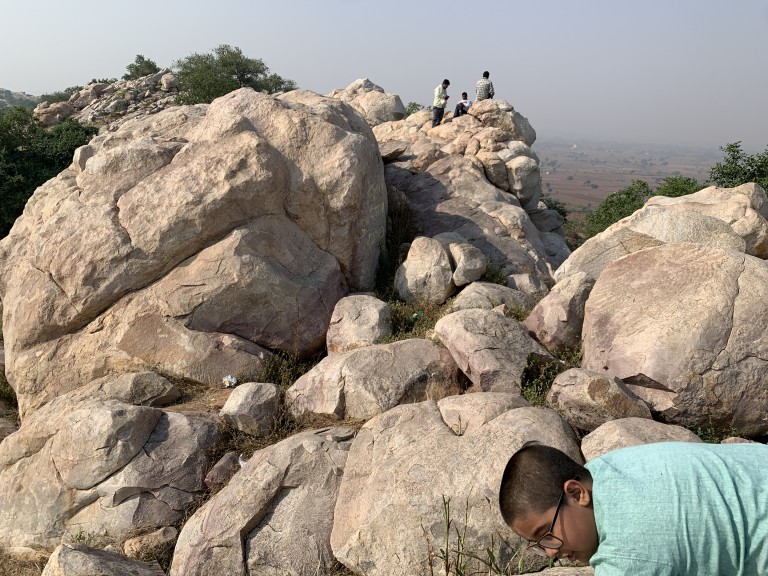
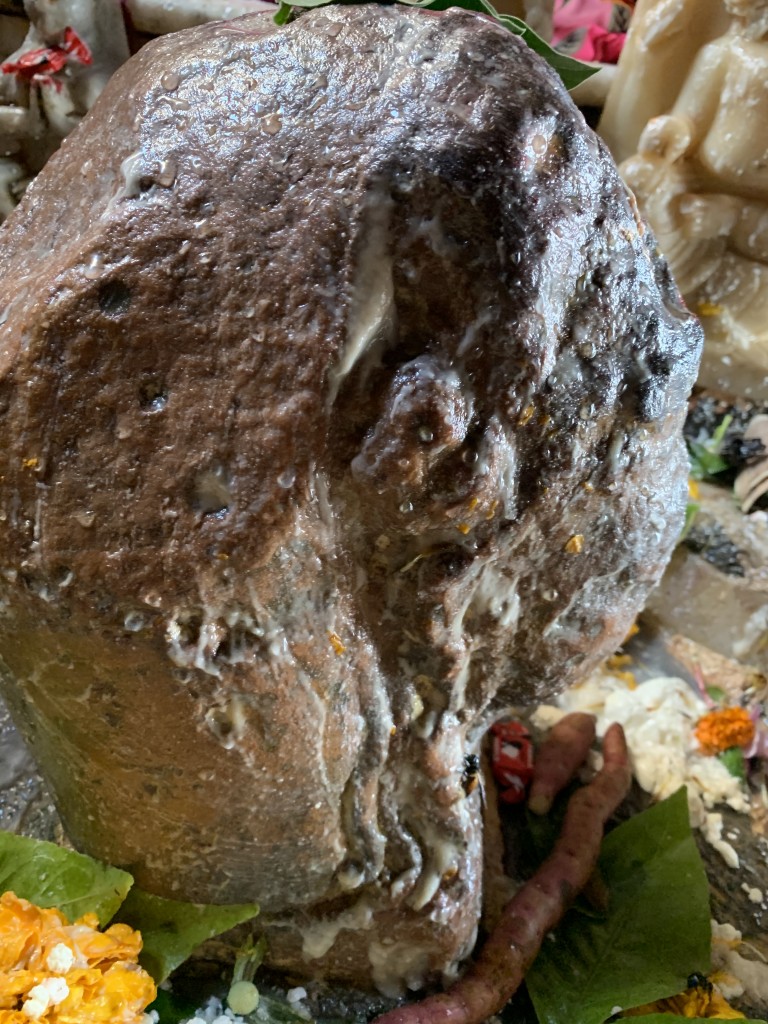
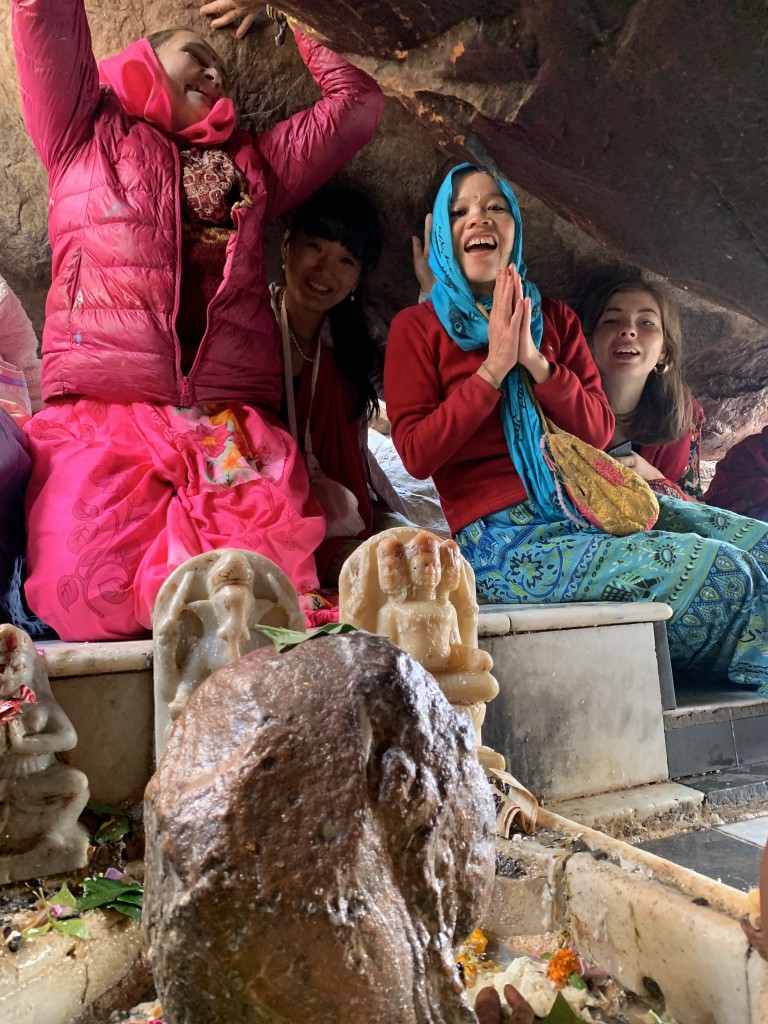
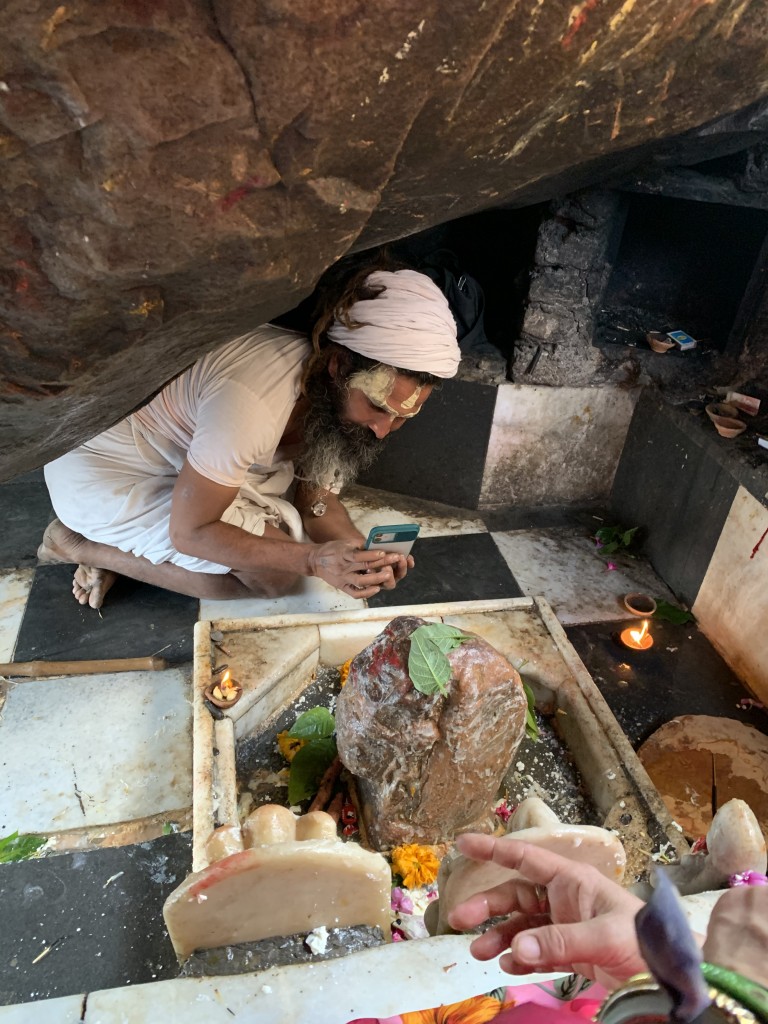
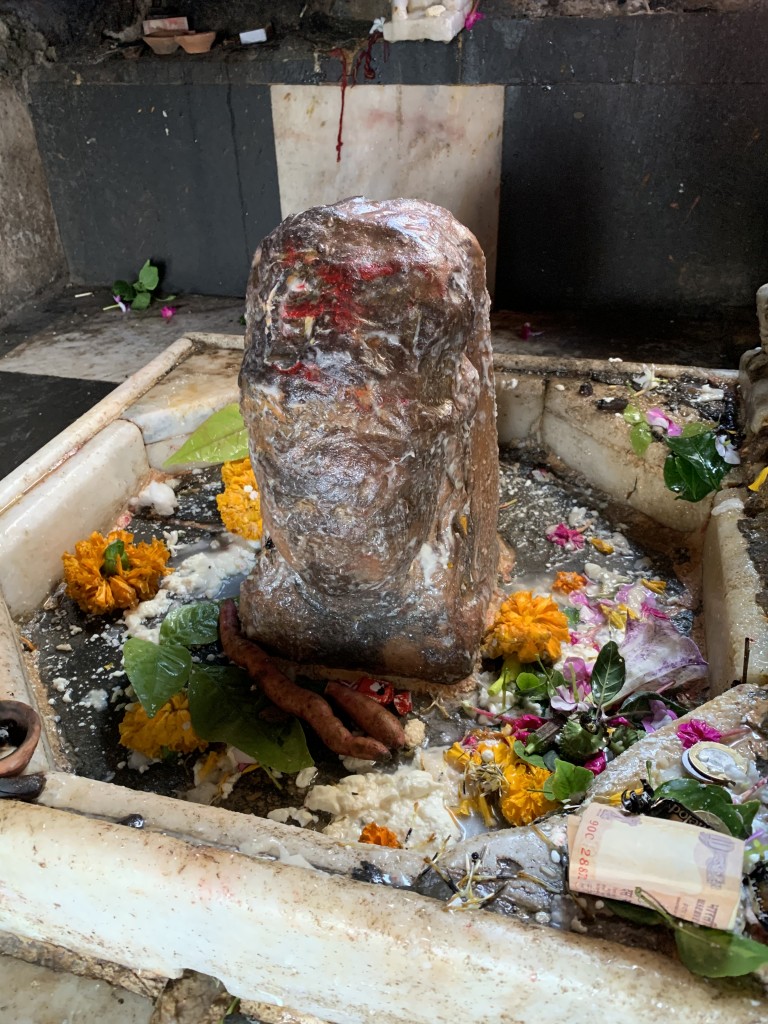
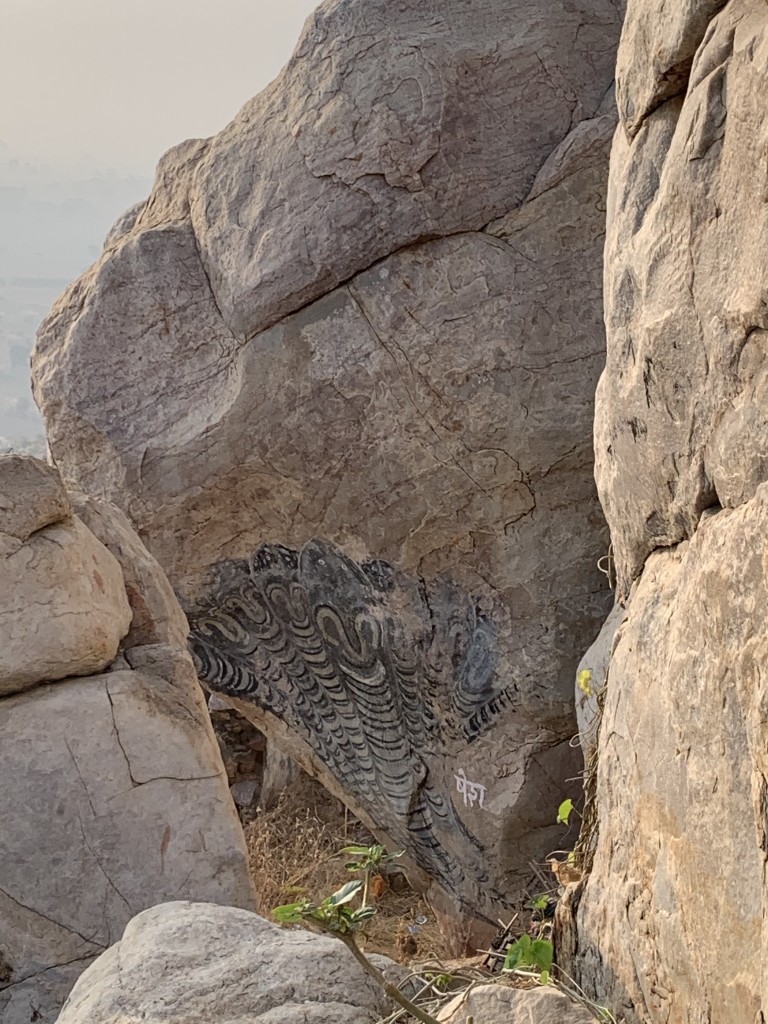
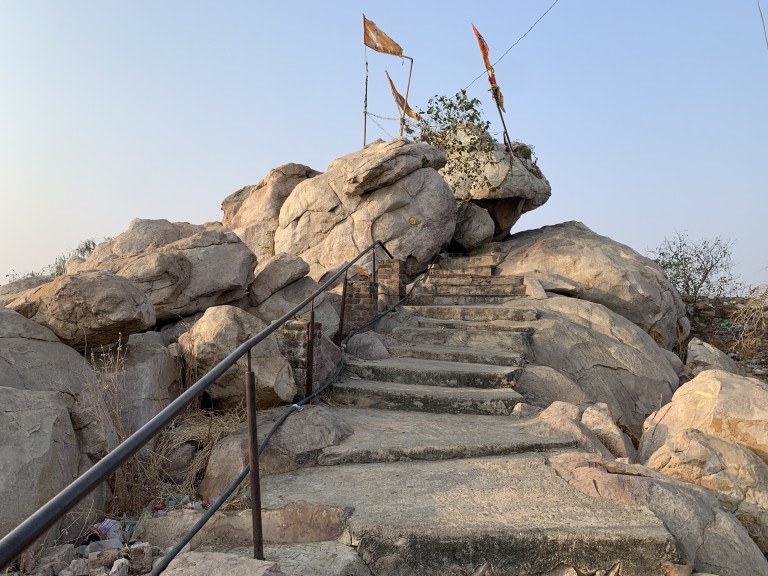
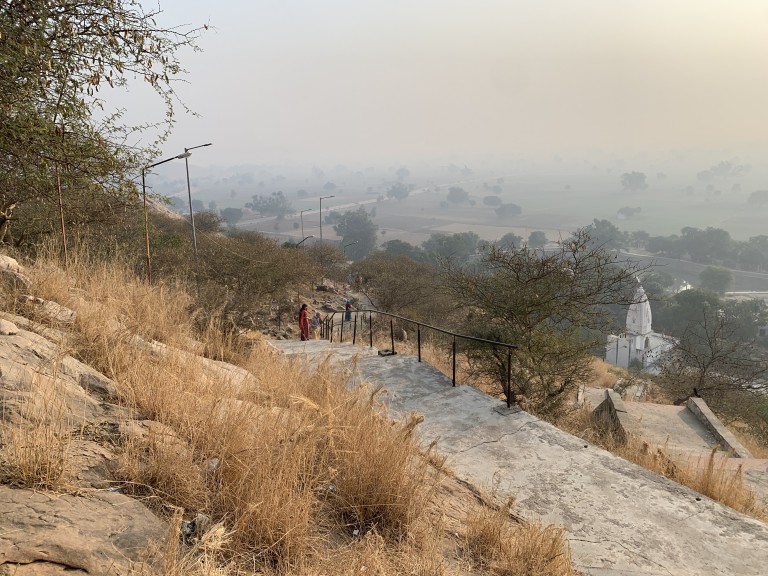
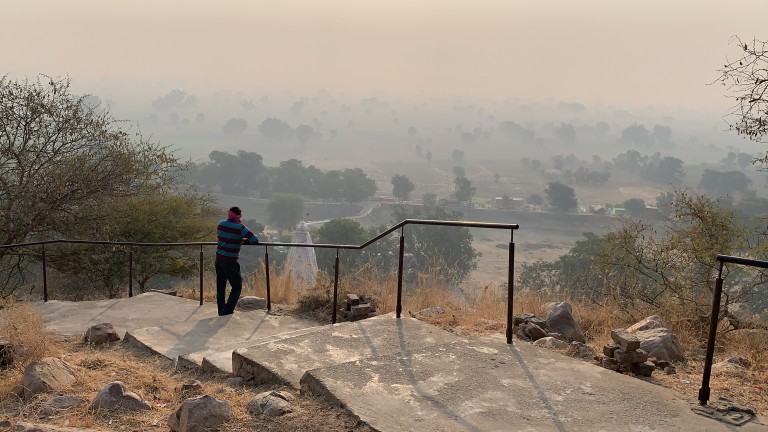
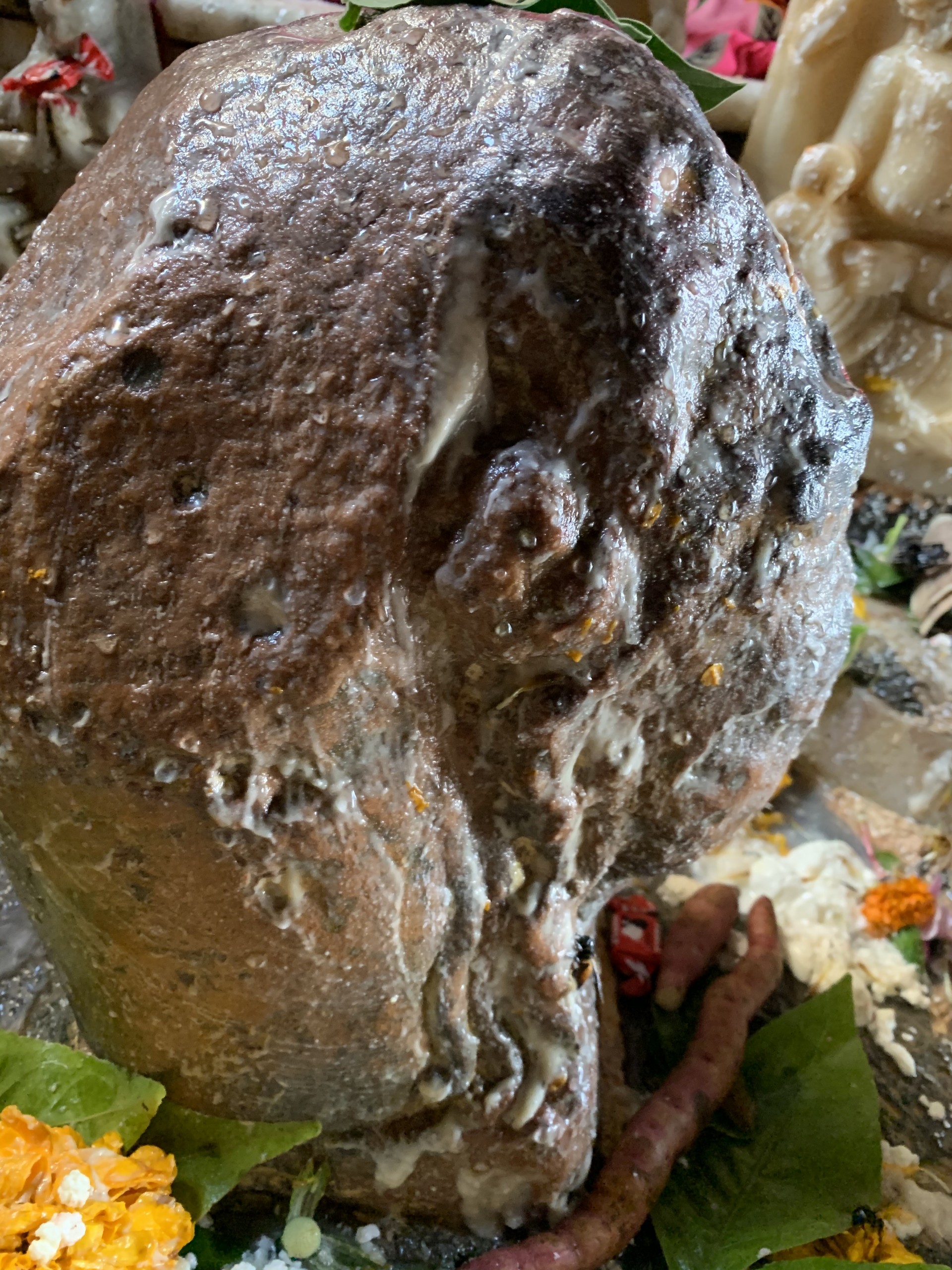
Situated on the top of a mountain is the famous shrine dedicated to Lord Shiva known as Adi-Kedarnatha. One has to climb up three hundred steps to reach this sacred shrine. From the mountain top one gets a panoramic view of the surrounding country-side. This place is considered to be the original Kedarnatha, which like Adi-Badrinatha, has its secondary expansion in the Himalayas. This shrine is situated inside a cave where one can have darshana of Kedarnatha Mahadeva in his deity form of a Shiva-linga as well as Lord Shiva’s eternal consort Gauri Devi (Parvati). At the foot on the mountain there is a small pond known as Gauri-kunda. This holy tirtha and the Deity of Lord Shiva are said to have been discovered by Shrila Narayana Bhatta during his excavations of Vraja.
Photo (14)