Description

Bhaktivedanta Narayana Gosvami
From the book “Sri Vraja-maṇḍala-parikramā”:
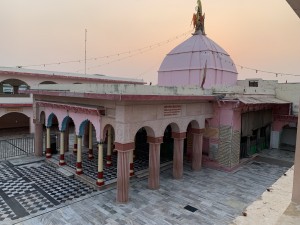
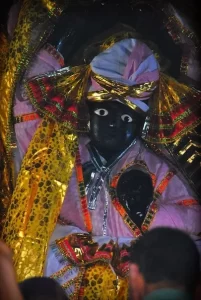
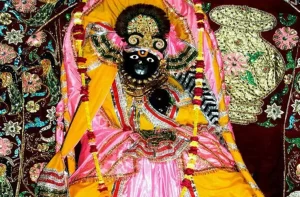
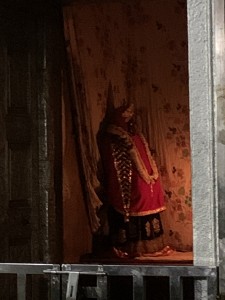
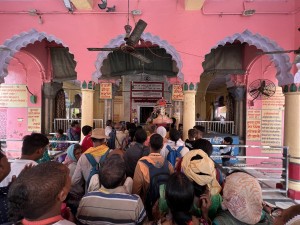
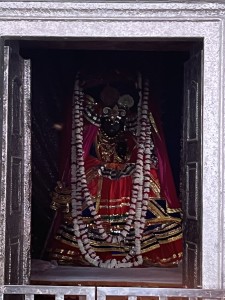
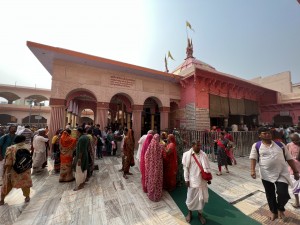
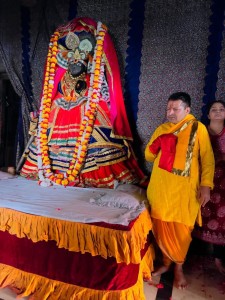
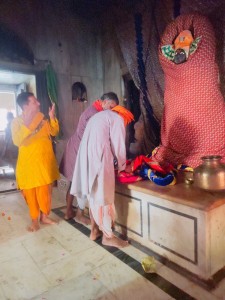
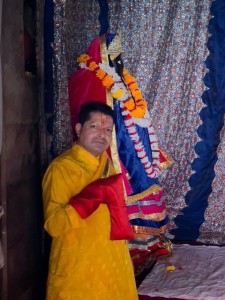
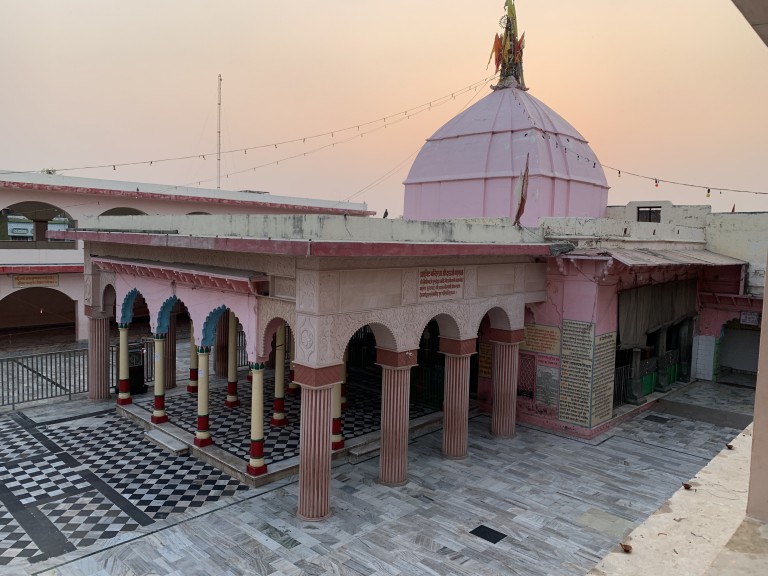
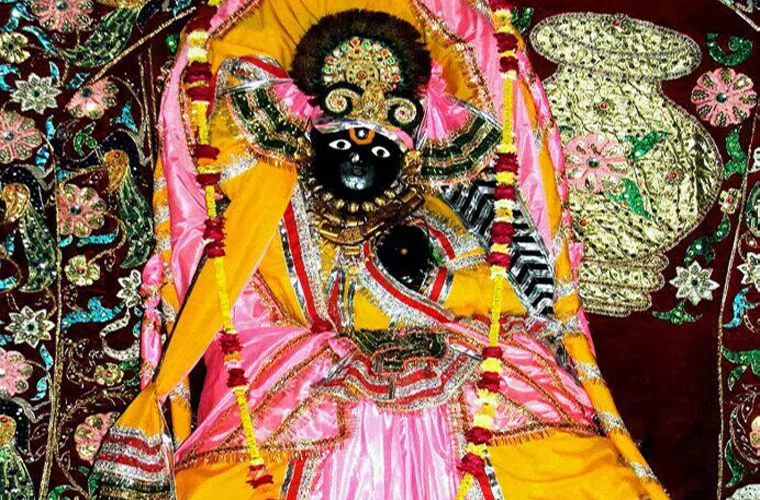
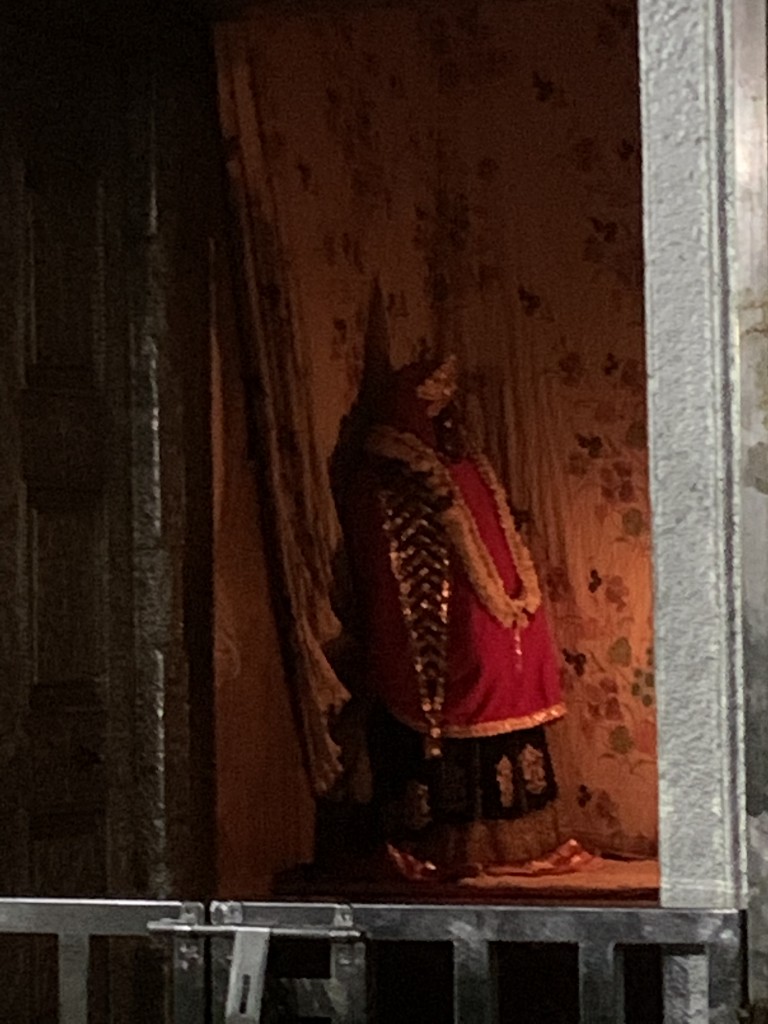
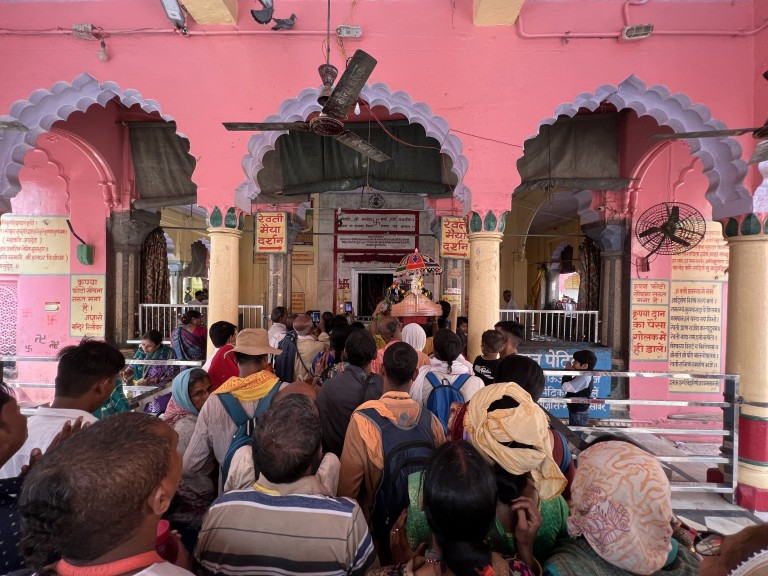
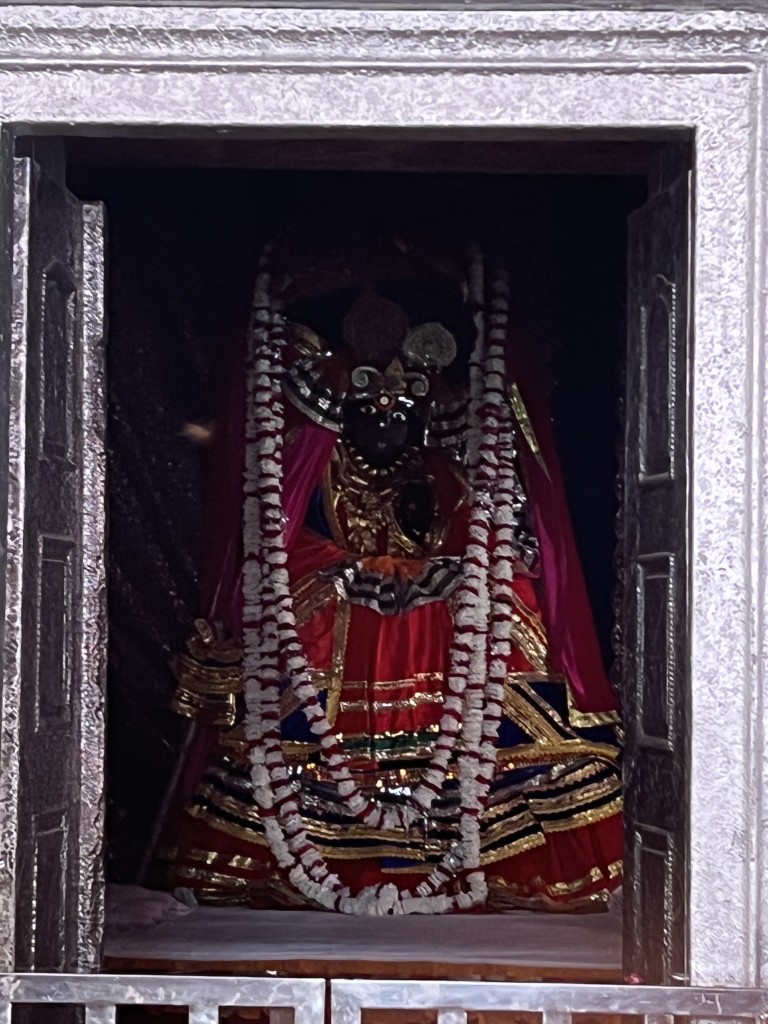
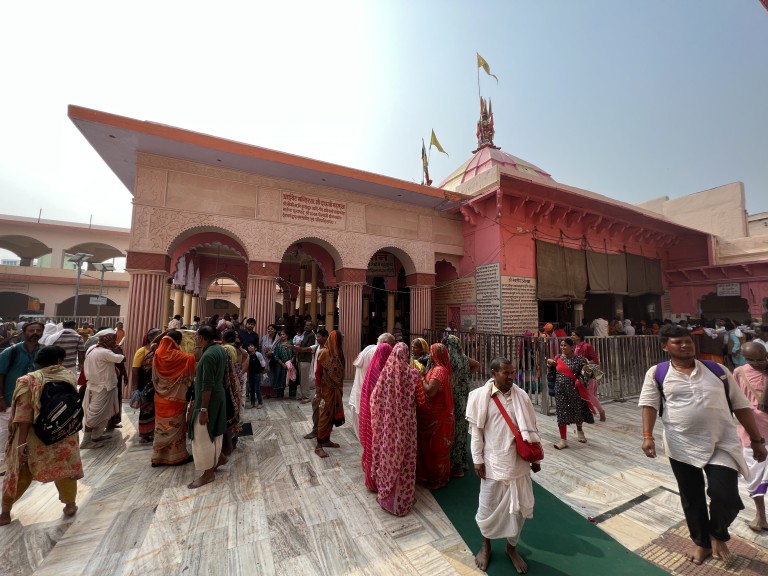
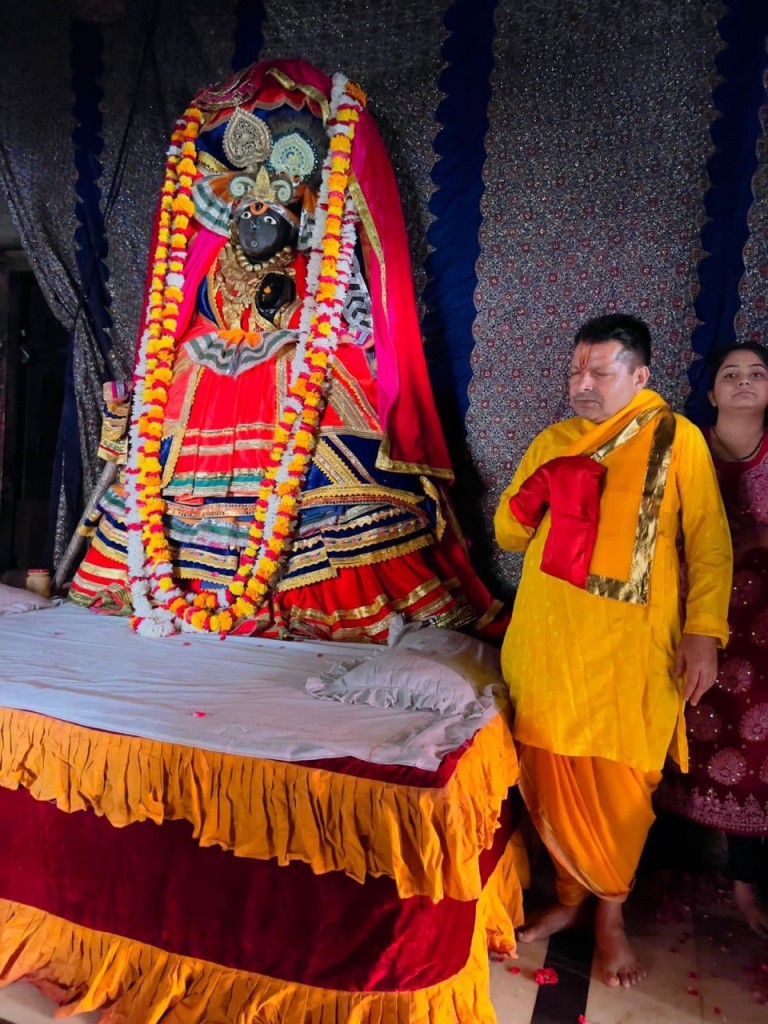
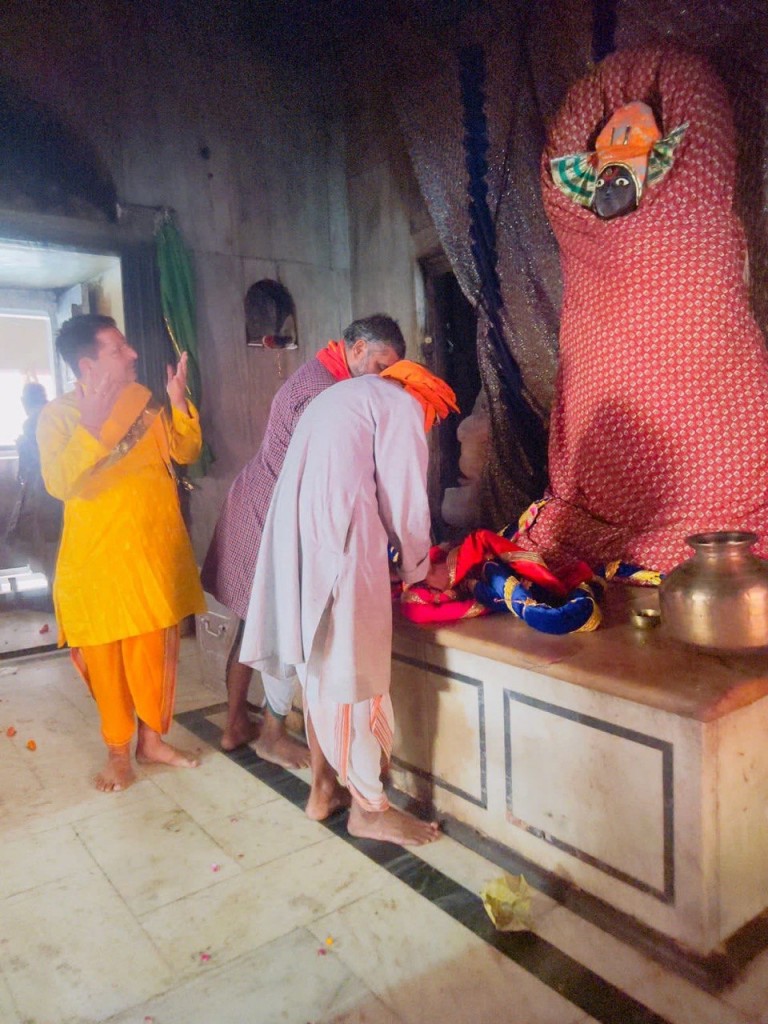
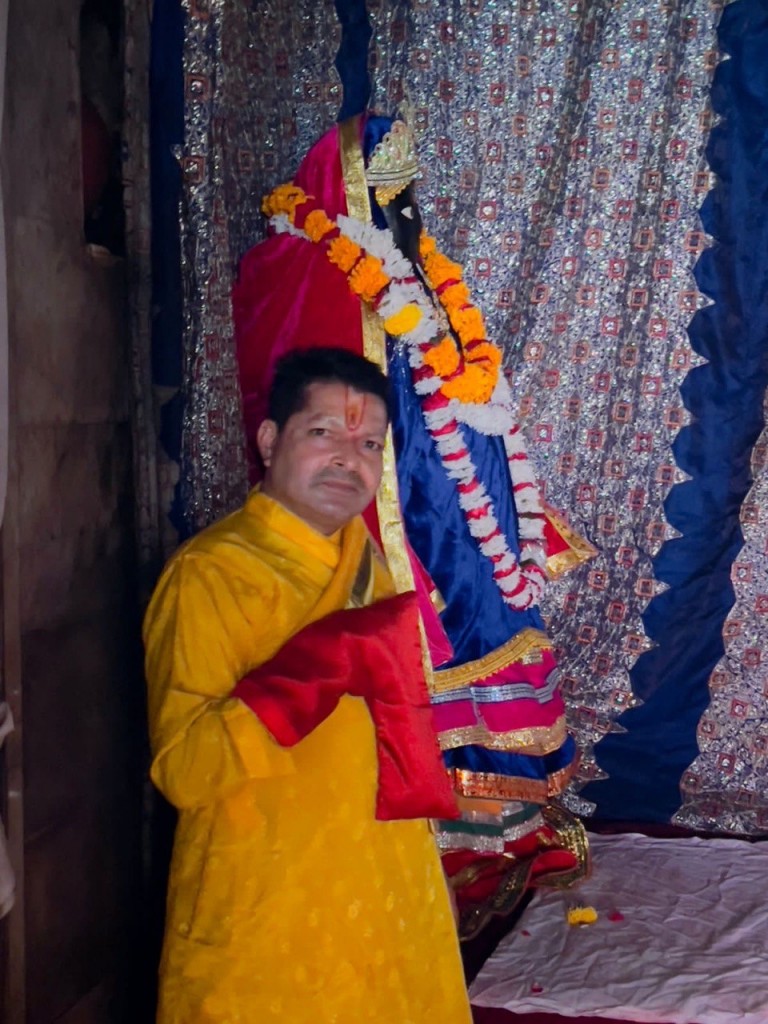
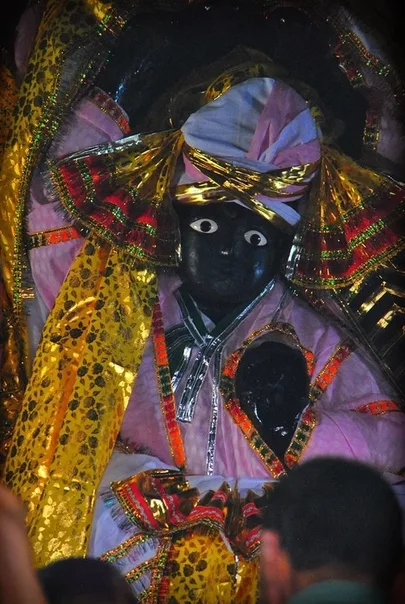
The village of Dāūjī is situated ten miles south of Rāyā and fifteen miles from Mathurā. This village is originally called Rīḍhā, but is now known as Dāūjī. In the temple here, there is an extremely attractive śyāma-complexioned deity of Dāūjī. Revatī-devī is also present here, but is hidden to the side of Dāūjī behind the door. The confidential reason why she is somewhat concealed is that Śrī Dāūjī’s marriage took place while He was residing in Dvārakā and not while He was living in Vraja.
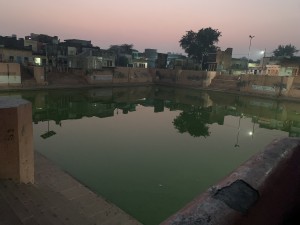
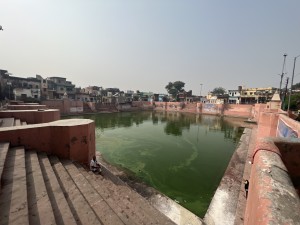
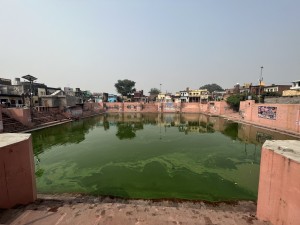
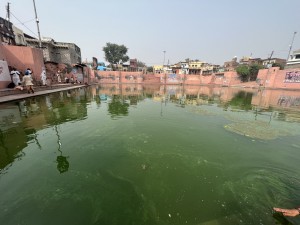
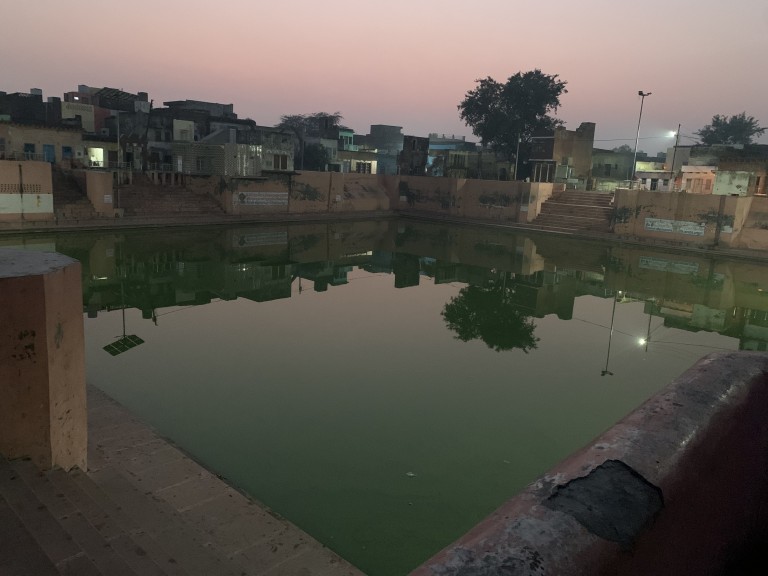
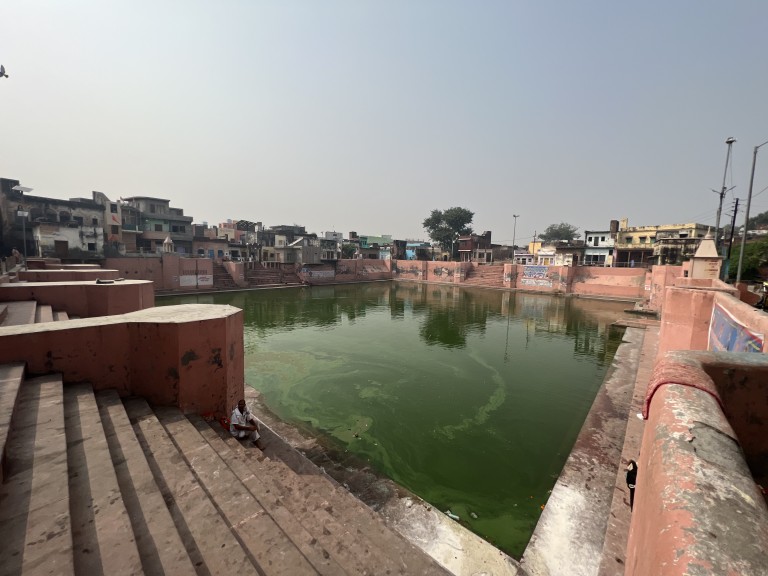
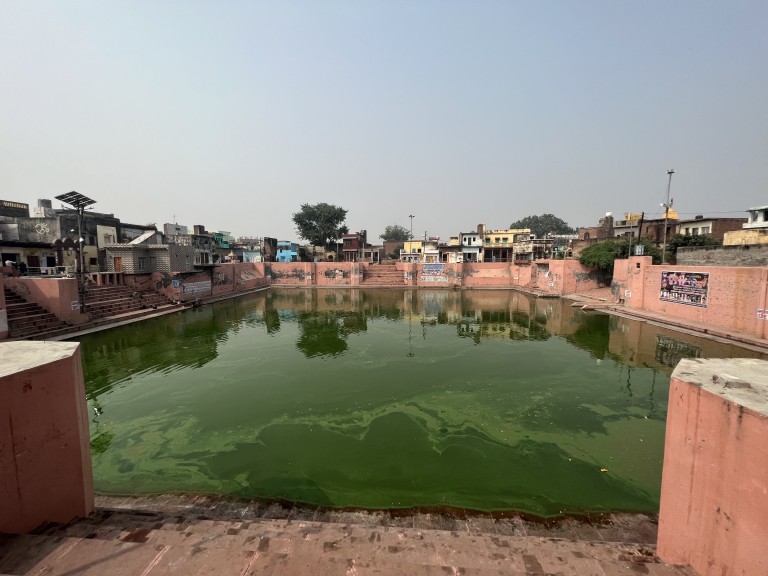
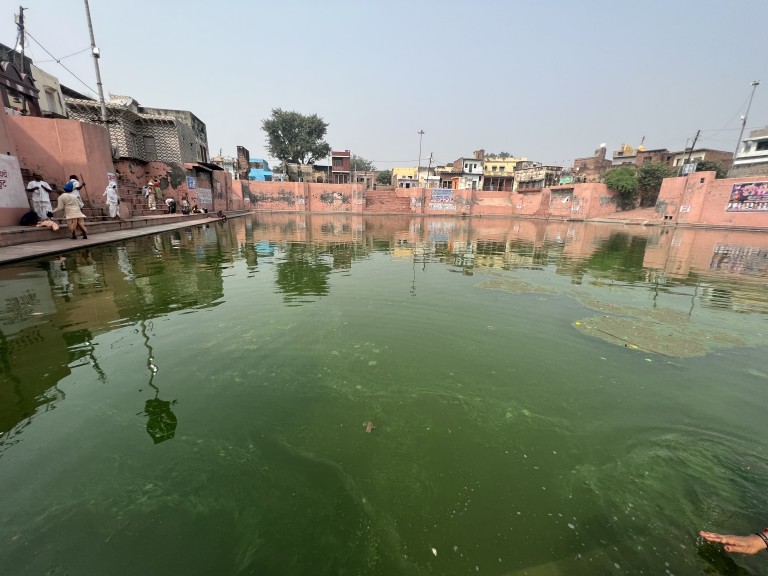
Vajranābha established the deity of Śrī Dāūjī. Even though all the famous deities of Vraja left Vraja when the Yavanas (Muslims) invaded, Dāūjī tricked them and remained here. It is said that this deity was found lying upside down in Kṣīrsāgara (Saṅkarṣaṇa-kuṇḍa) which is situated on the western side of this temple. Devoted persons took Śrī Dāūjī from the kuṇḍa and built this temple, in which they duly seated and worshipped Him. The priests may have put the deity in the kuṇḍa in fear of attack by the bigot Aurangzeb.
Dāūjī’s birth from the womb of Mother Rohiṇī, eight days before the birth of Śrī Kṛṣṇa, took place in Gokula-Mahāvana. His name-giving ceremony, the ceremony held for the first shaving of His head and other purificatory rites (saṁskāras) were performed with those of baby Kṛṣṇa. Dāūjī and Kṛṣṇa would also play and crawl around together.
Rīḍhā or Dāūjī-gaon was the pasturing ground for Śrī Baladeva’s cows, being a forest area at the time of His manifest pastimes. This place is within Vidrumavana.
Rajashekhara Dasa
From the book “Chaurasi-kosa Vraja Mandala Parikrama”:
Here one can see the largest and most famous Deity of Lord Balarama in the whole of Vraja and known affectionately as Dauji, which means Krishna’s elder brother. The Deity holds in His left hand a cup of varuni-rasa which is Balarama’s favorite beverage. Slightly hidden to the side of Lord Balarama, is the Lord’s eternal consort Revati Devi, who is visible from just one side of the alter doorway, probably because this Deity was installed at a later date sometime after the temple was built. The Deity of Dauji is almost seven feet tall and was installed by Vajranabha Maharaja. It is said that once Balarama (Dauji), while herding cows at this place showed His original form as the Supreme Personality of Godhead to the cowherd boys, therefore Vajranabha established the Deity of Dauji here as the presiding Deity of the eastern petal of the lotus of Vraja. Sometimes Dauji is mentioned as being the presiding Deity of the southern petal, but this post is also credited to Lord Varaha, who resides at the southern-most tip of Vraja at Saukari-Vateshwara (Batasar). Lord Balarama is also considered to be the presiding Deity over the forests on the eastern bank of the Yamuna River including: Bhadravana, Bhandiravana, Belvana, Lauhavana, and Mahavana. This temple of Dauji also marks the most southerly point of both the Vraja Mandala Parikrama and the Vraja Mandala Borderline-Parikrama. The town of Baldeo falls within the area of the Mahavana forest, however, according to the Puranas this is also one of the upavanas or sub-forests of Vraja, known as Balabhadravana.
At some point in history, the Deity of Dauji was lost and probably hidden during the dark period of the Greco-Bactrian, Saka and Kushan invasions of India that began around 150 bc. It is most likely that all the prominent Deities of Vrindavana Dhama were hidden in kundas or buried underground during this period including; Govindaji, Gopinathaji and Madana-Mohana. The city of Mathura, which was one of North India’s most prominent cities, fell under the control of the various invading armies and by the turn of the 1st century it had become the southern capital of the Kushan Empire. The Kushans, who were Turko-Iranians, are originally believed to have been Zoroastrians, but soon converted to Buddhism and under the leadership of Kushan kings like Kanishka, Vasishka, Huvishka, and Rajulu, Buddhism became the most prominent religion in Northern India for the next seven hundred years. During their rule, Mathura was converted into one of the most important places of Buddhist culture and learning in the whole of India. The Deity of Dauji had not yet been rediscovered during the time of Lord Chaitanya or the Six Goswamis, but was discovered around one hundred and fifty years later, lying at the bottom of an ancient kunda in the town of Baldev (Baldeo). During the re-installation ceremony of the Deity, it is said that the local residents poured milk from a hundred thousand cows into the kunda where Dauji was found, as an offering to the Deity. The kunda then became celebrated as Kshirasagara-kunda, which means the kunda containing the ‘ocean of milk’. This same kunda is also called Sankarshana-kunda, which is another name of Lord Balarama.
Photo (15)