Description

Bhaktivedanta Narayana Gosvami
From the book “Sri Vraja-maṇḍala-parikramā”:
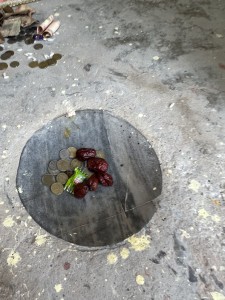
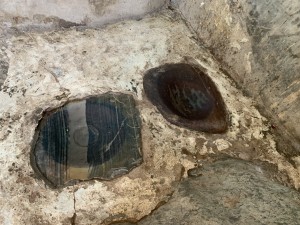
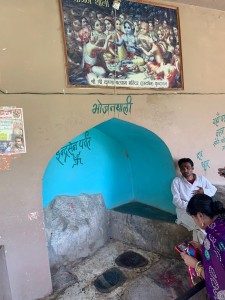
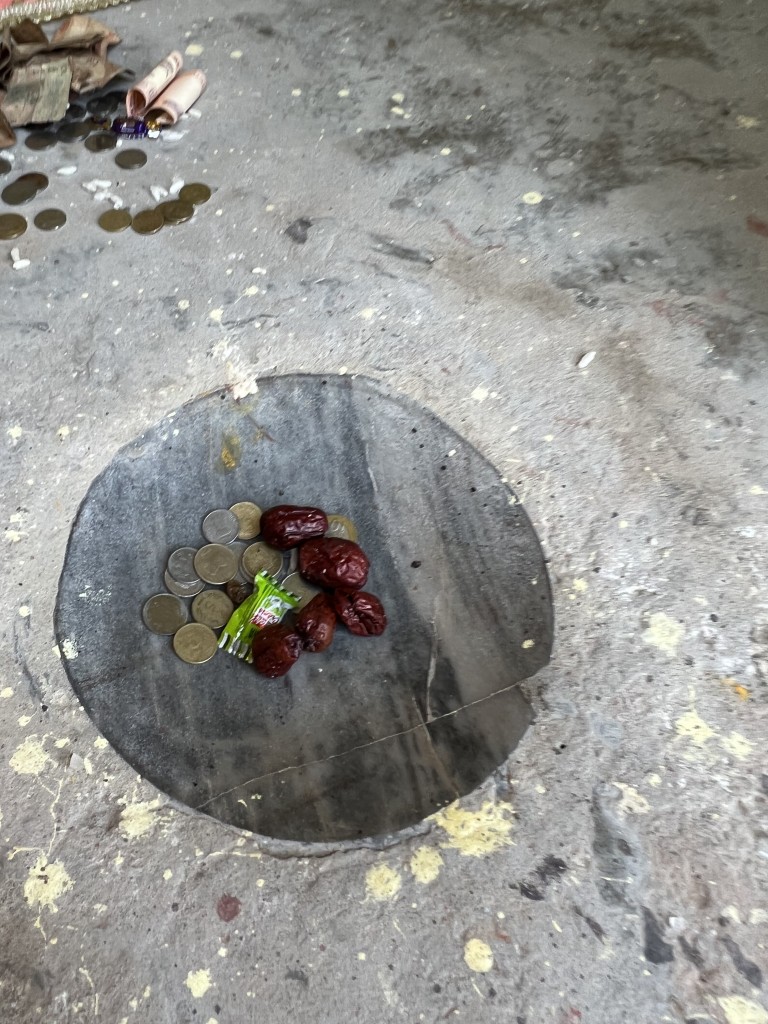
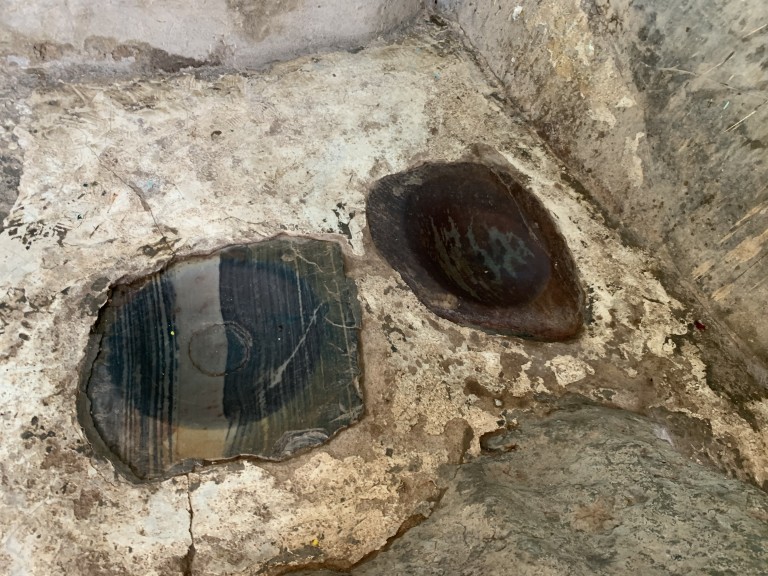
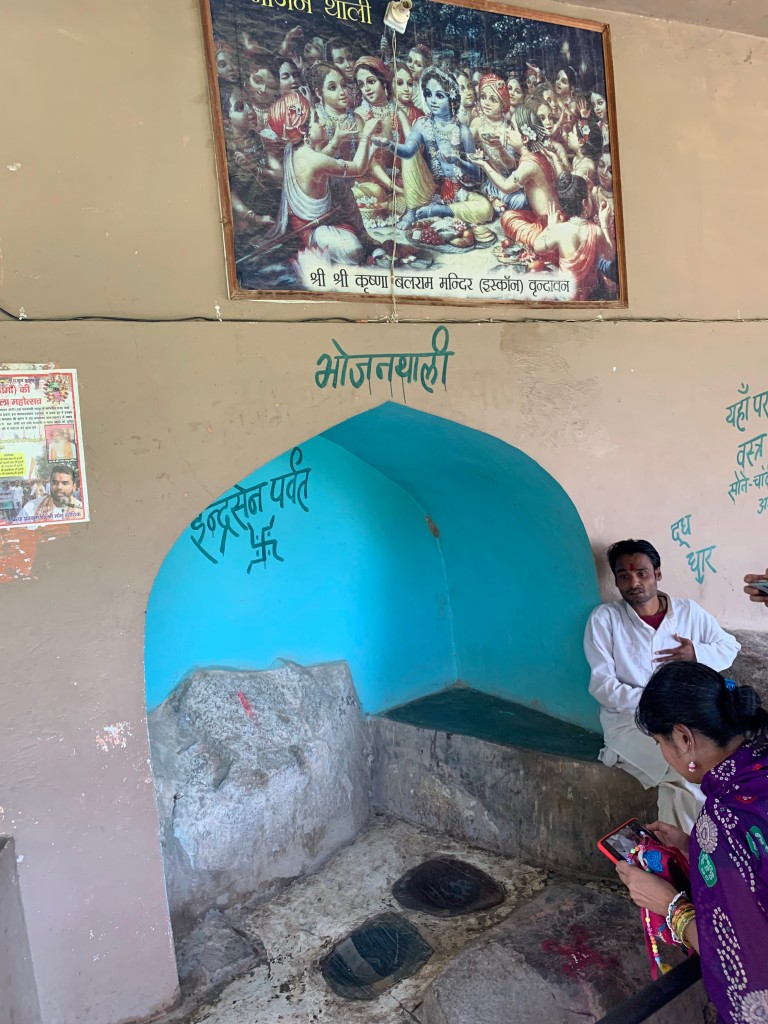
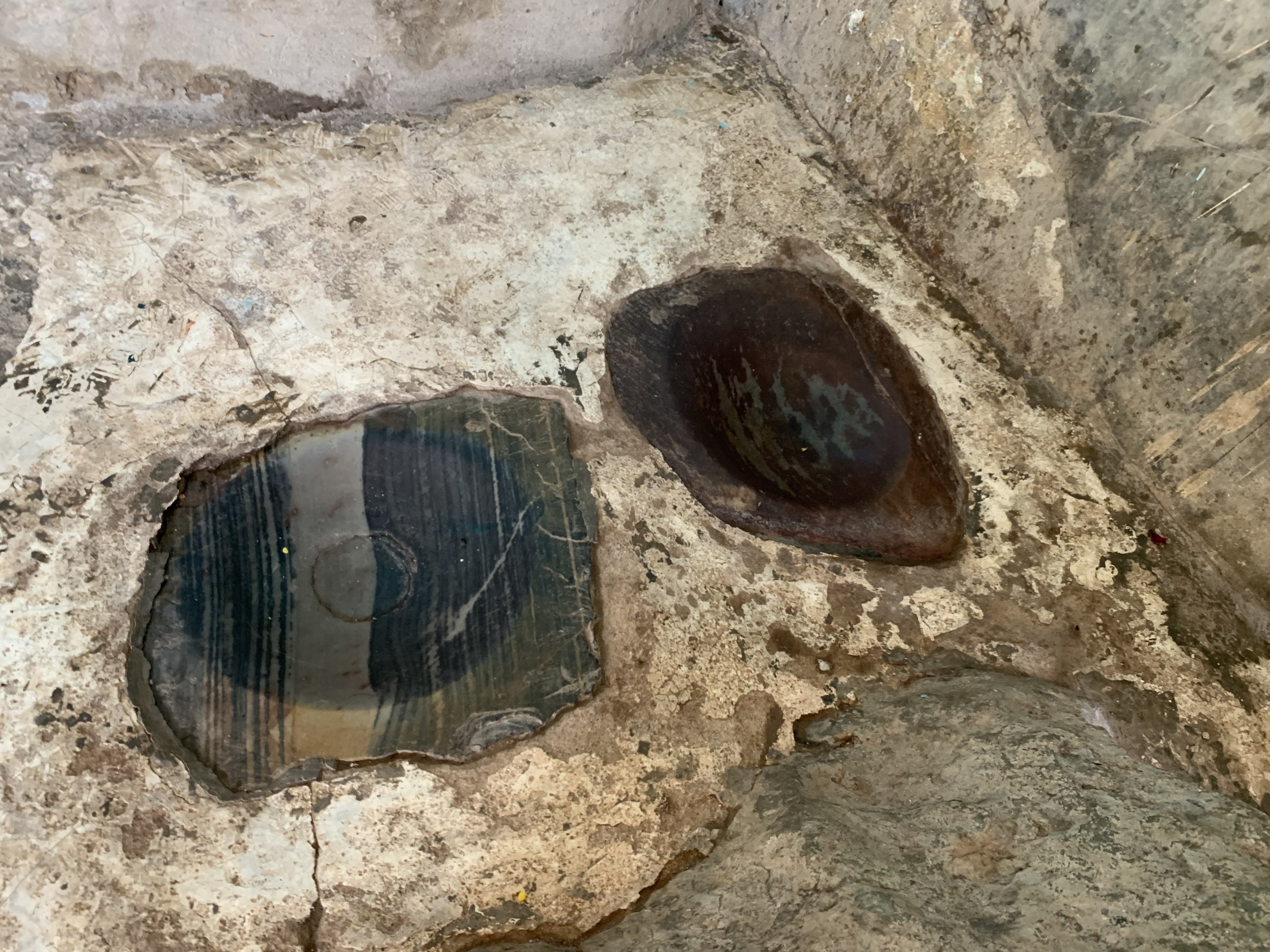
Some distance from Vyomāsura’s cave is Bhojana-thālī, and near Bhojana-thālī is Kṣīrasāgara, or Kṛṣṇa-kuṇḍa. After killing Vyomāsura, Śrī Kṛṣṇa bathed in this kuṇḍa and ate here with the gopa sakhās. The marks of a plate (thāla) and of cups are still visible on the hill where they ate (bhojana kiyā). The place where Śrī Kṛṣṇa was sitting is also nearby. After eating, Kṛṣṇa played with the sakhās on a nearby hill, where they used a stone as a musical instrument. This place can also still be found today. To this day, various sweet sounds can still be produced by playing on this stone, which is known as a bajanī-śilā.
Nearby is Śāntanu-kuṇḍa, the place where Śāntanu performed austerities. Gupta-gaṅgā, Naimiṣa-tīrtha, Haridvāra-kuṇḍa, Avantikā-kuṇḍa, Matsya-kuṇḍa, Govinda-kuṇḍa, Nṛṣiṁha- kuṇḍa and Prahlāda-kuṇḍa are also all situated here. On the hill at Bhojana-thālī is the place where Śrī Parasurāma performed austerities and worshipped the Supreme Lord.
Deities of the Śrī Gauḍīya sampradāya that are present in Kāmyavana include Śrī Govindajī, Śrī Vṛndā-devī, Śrī Gopinātha and Śrī Madana-mohana. Deities of the Śrī Vallabha sampradāya include Śrī Kṛṣṇa-Candramā, Navanīta Priyājī and Śrī Madana- mohana.
Rajashekhara Dasa
From the book “Chaurasi-kosa Vraja Mandala Parikrama”:
This is the site of the famous Bhojana Thali where Shri Krishna enjoyed a great feast with His cowherd boyfriends. The word ‘bhojana’ means ‘food’, or sometimes ‘taking food’ and the word ‘thali’ means a ‘plate’. At this spot one can clearly see on the floor the impression of the plates (thali) and cups (katori) used by Krishna and His friends when they all sat down together and took their lunch. Nearby is the spot where Balarama spilled His condensed milk or ‘kshira’, which ran down across the floor and created a kunda that became known as Kshira Sagar, or the ‘ocean of condensed milk’. A white line can be seen that marks the place where Balrama’s condensed milk was spilled. One can also see Krishna’s special sitting place known as a simhasana and the bhajana-shila, which is a rock with a hollow center that makes a sound like a bell when struck. Some of the cowherd boys were expert in playing tunes on these musical rocks. The word ‘bhajana’ means ‘singing’ or ‘playing’ musical instruments and ‘shila’ means a ‘rock’.
Situated nearby on a small hill behind Bhojana Thali is the Parashurama-tapabhumi where it is said Lord Parashurama, the incarnation of Lord Vishnu, once performed austerities. It is said that Lord Parashurama was born in the holy dhama of Vrindavana at the village of Renuka Grama on the bank of the Yamuna near Agravana (Agra), where the ashrama of his father Jamadagni Rishi was situated. There were also a number of sacred kundas surrounding Bhojana Sthali but they have now disappeared including: Narasimha-kunda, Prahlada-kunda, Matsya-kunda, Govinda-kunda, Gopala-kunda, Shantanu-kunda, Avantika-kunda, Haridwara-kunda and Gupta-ganga.
Photo (4)